Bursa, room by room
A day’s outline for Bursa’s hammam: the cool room, the heated marble platform, the peştemal and the kese, with time left for the city’s thermal setting.
- Kind of place
- hammam
- House rule
- keep the peştemal on
- Country
- Turkey
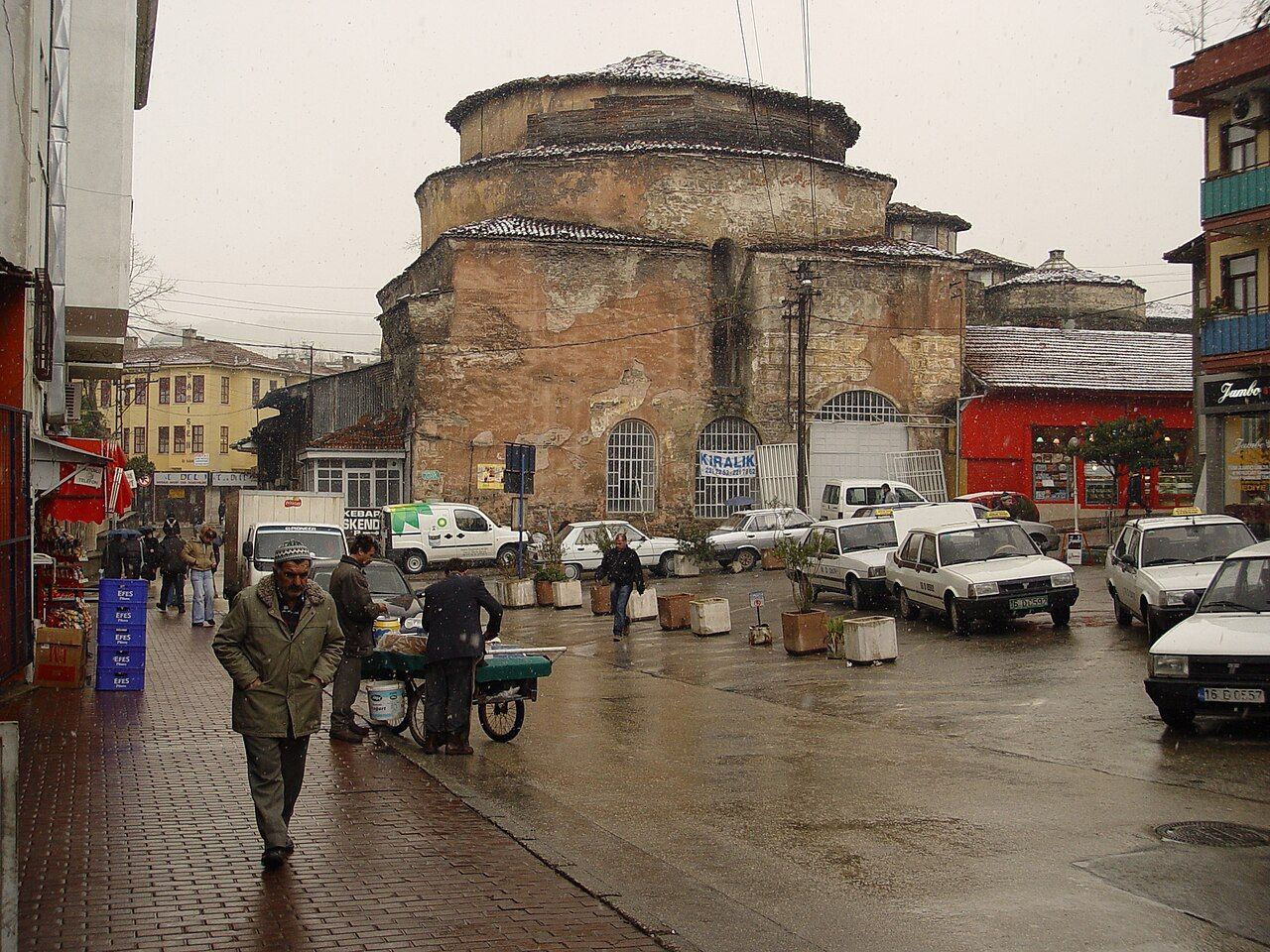
Bursa
The first surprise in a hammam is a cool room. Heat has been promised by the word itself; the first room, though, is for changing and resting. In Bursa, that pause belongs to a city whose bathhouse tradition sits over thermal springs, on the lower slopes of Uludağ. It is a sensible beginning. One need not arrive already warmed up.
Why Bursa? It was the first capital of the Ottoman Empire. The Çekirge district lies over thermal springs on the lower slopes of Uludağ, the mountain above the city. Bursa and the nearby village of Cumalıkızık received a joint place on UNESCO’s World Heritage list in 2014. The city’s past can make for a large subject; a hammam gives it a pleasantly room-sized shape.
What happens in the morning? Start with the cool room, which is for changing and resting. Bathers wrap themselves in a cotton cloth called a peştemal. The fact-box instruction is wonderfully plain: keep the peştemal on. It is a useful detail to know before entering a space whose next rooms are warmer, then hot. No elaborate preparation is required to understand the sequence.
What comes after the cool room? The warm room. Its place in the order is easy to appreciate: not the first encounter with heat, and not yet the hottest room. A hammam has three rooms in all, cool, warm and hot. The arrangement makes the visit legible without a map, which is more than can be said for certain ambitious plans for a day out.
A hammam has three rooms in all, cool, warm and hot.
And the hot room? In its middle is a large heated marble platform, the göbek taşı. It is the central feature, and the point at which the room’s heat becomes something more than an abstract idea. Marble, warmed from below, is a direct proposition. I like this part of the hammam’s logic: no complicated itinerary, just a sequence of rooms and a platform that does exactly what its name suggests.
For a sense of how Ottoman baths appear elsewhere, there is also the Ottoman baths on the Danube. Bursa’s distinction is its own: the first Ottoman capital, with thermal springs beneath Çekirge. The setting is not an extra room in the hammam, but it helps explain why hot water belongs so naturally in the city’s story.
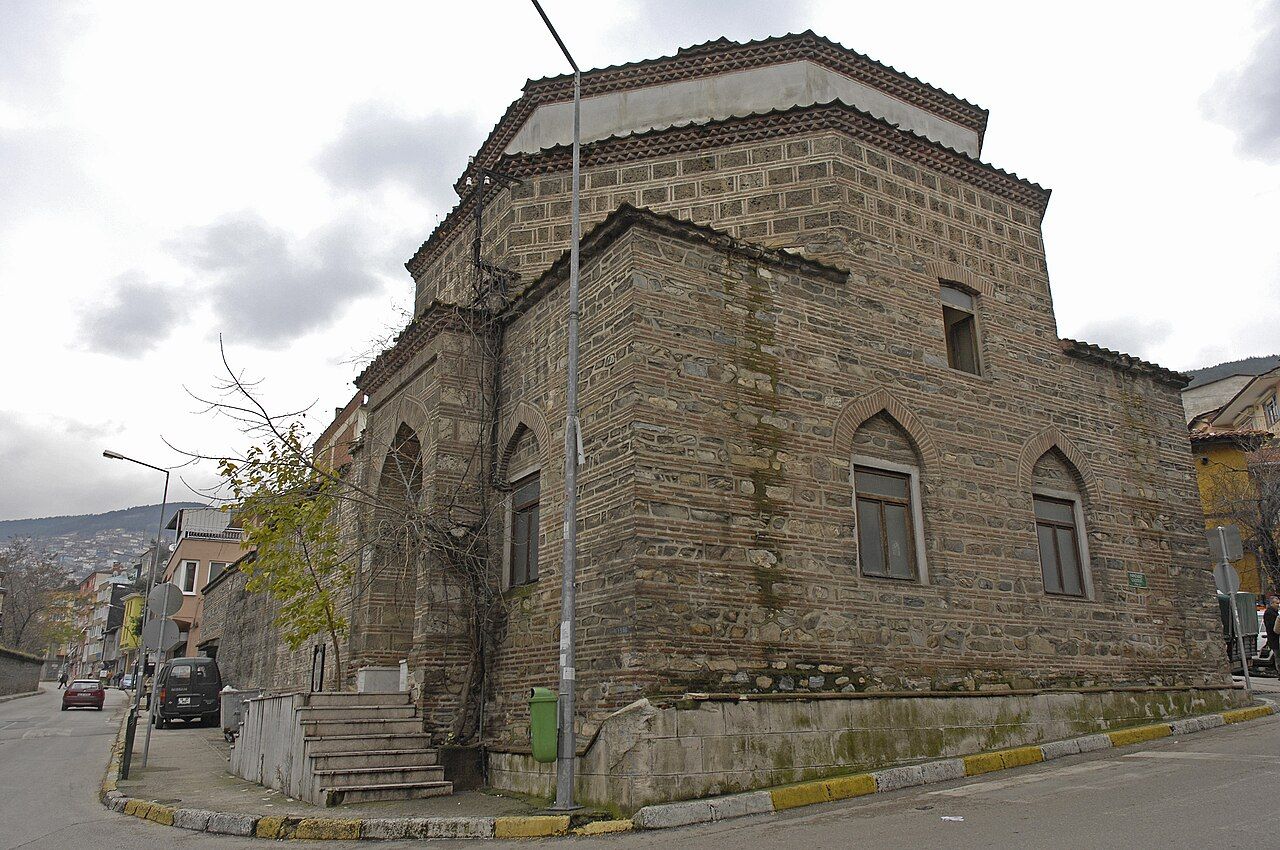
What happens at midday? The kese enters the picture. It is a rough mitt used to scrub the skin in the hammam. The peştemal and kese are small, practical details, but they make the visit feel less like a vague idea of “bathing” and more like a particular practice, with its own cloth and texture. The useful thing to remember is simple: the kese is for scrubbing, and the peştemal stays on.
Does every hammam work in exactly the same way for everyone? Many have separate sections for men and women, or separate hours. Those are two ways of arranging access, not a reason to assume the same setup everywhere. The room sequence remains the useful framework: cool for changing and resting, warm, then hot. A little clarity is welcome; nobody needs a bathhouse to become a puzzle.
There is a related story about a neighbourhood hammam in Fez. A hammam is not interchangeable with every other bathing custom, and the details matter. Here, the names of the cloth, mitt and marble platform give the experience its particular vocabulary. I prefer that sort of specificity to a grand claim that all warm rooms are much the same.
And late afternoon? It is a good point in the imagined itinerary to let the hot room give way to the cool one again: changing and resting are part of what that first room is for, not administrative business before the main event. The day’s shape can stay loose. Morning, midday and late afternoon make a useful spine, while the rooms supply the actual order.
What lies above the district? Uludağ rises to about 2,540 metres. That is a substantial presence above the city, even without making the mountain into a second itinerary. The springs are the closer subject here, beneath Çekirge; the mountain gives their setting a larger scale. For another encounter with hot water and landscape, there is the hot terraces of the southwest.
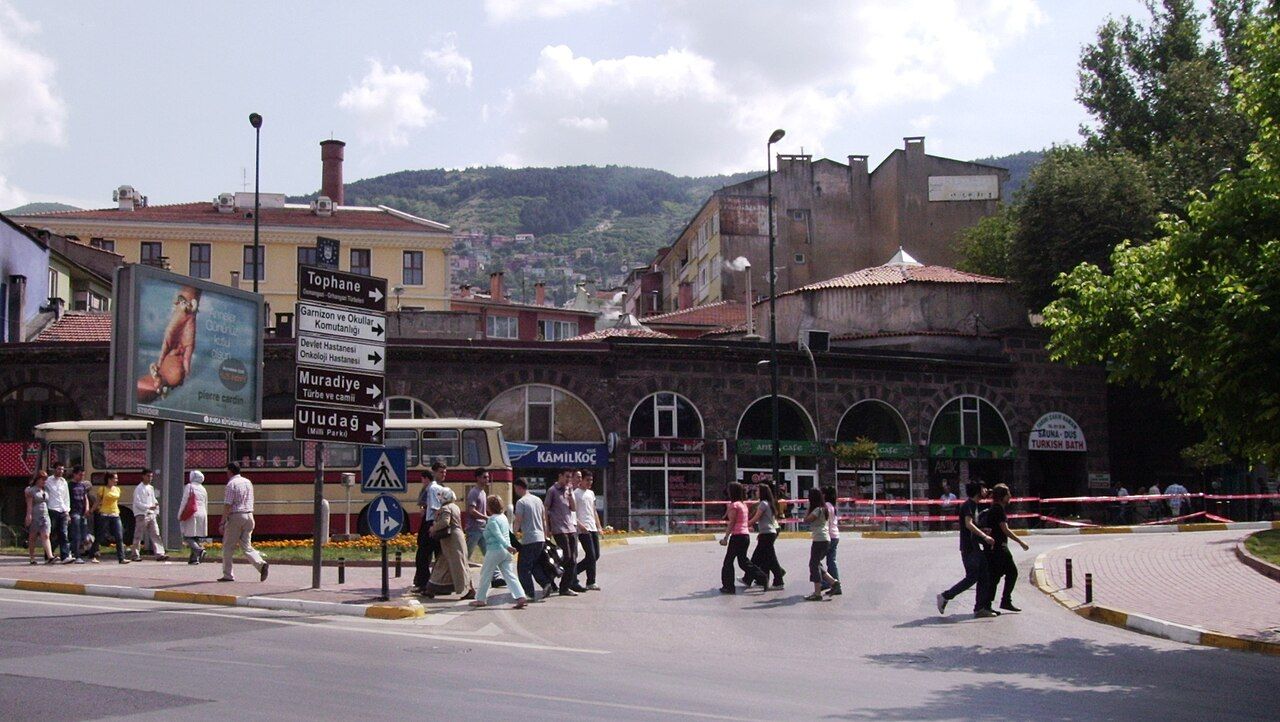
Does the hammam need a complicated explanation? Not really. Cool room, warm room, hot room; cotton peştemal, rough kese, heated marble at the centre. The simplest description is also the most useful. GoTürkiye has pages on Bursa and the hammam tradition, a neat next stop for anyone whose curiosity has outlasted the visit.
There are other ways of arranging heat and quiet, too.
Close by in spirit: The Finnish sauna, properly
The numbers: Bursa was inscribed with Cumalıkızık in 2014; Uludağ rises to about 2,540 metres.
For another room-by-room bathing story, return to the Fez hammam above.