Temple meditation around Chiang Mai
A forest temple, a long staircase and a few plain rules: Chiang Mai’s meditation programmes offer quiet company, monk chats and room to walk.
- Kind of place
- meditation
- House rule
- wear white, do not touch monks
- Country
- Thailand
Chiang Mai
What does temple meditation around Chiang Mai involve? A chance to join a programme, walk forest grounds and, at some temples, talk with monks. The setting has a long history: Chiang Mai was founded in 1296 as the capital of the Lanna kingdom. The present-day visitor’s task is less grand. Arrive with a little patience, and don’t assume quiet means nobody has anything to say.
Close by in spirit: Rishikesh, yoga by the Ganges
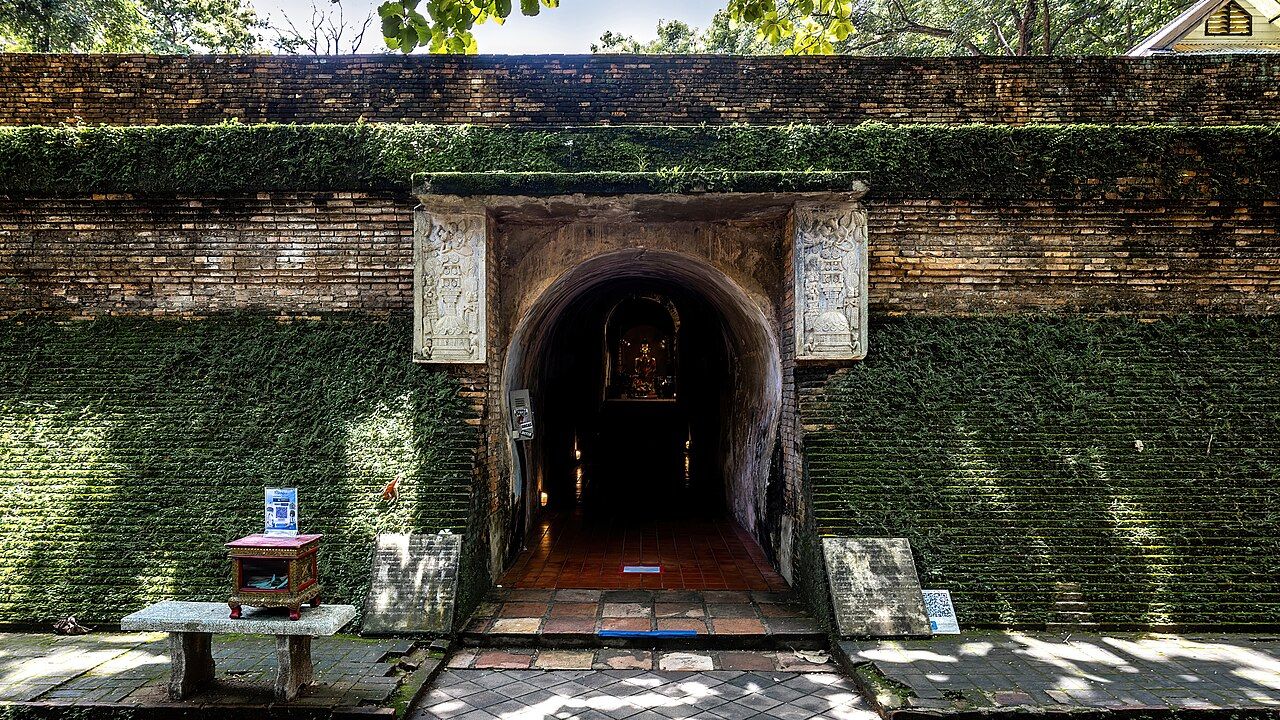
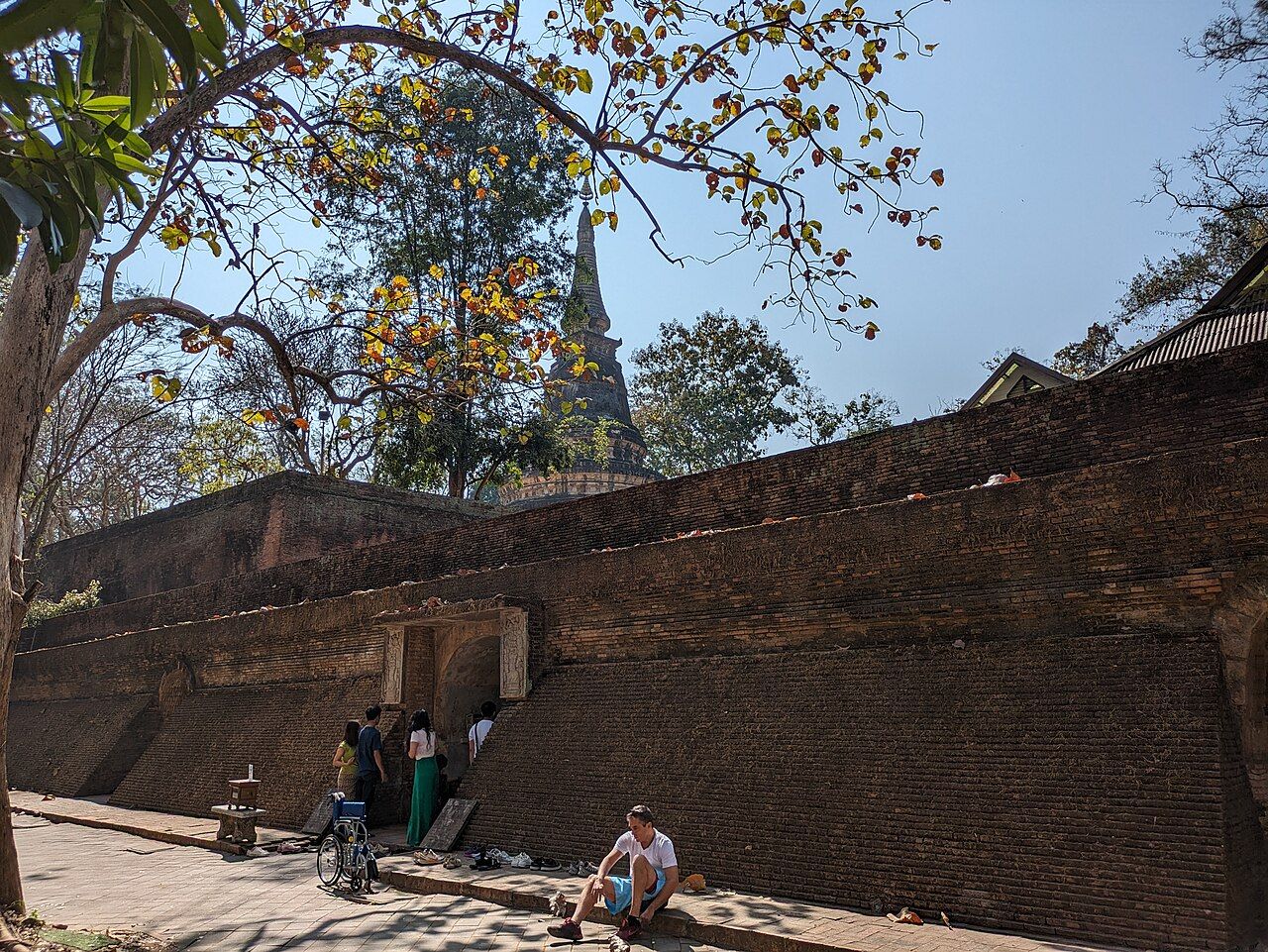
What makes Wat Umong a natural place to begin? It is a forest temple on the western edge of Chiang Mai, known for tunnels built in the 14th century. There is room here to walk among the forest grounds as well as to sit for meditation. A forest offers a welcome change from staring at a wall, though the wall has its merits when the mind is busy making plans.
Can visitors join a meditation programme? Yes. Several Chiang Mai temples, including Wat Umong and Wat Suan Dok, run programmes for visitors. The practical request is simple: participants are usually asked to wear white clothes. No elaborate performance is required; the point is to take part. White is also a useful reminder that a temple visit is not quite the same as wandering in off the street.
Are monk chats part of the visit? Some temples in Chiang Mai hold them, and visitors can talk with monks in English. It is a chance to ask a question and have a conversation, rather than treating a temple as a silent display. Keep one custom in mind: women in Thailand do not touch monks or hand objects directly to them. Good manners are usually less complicated than visitors expect.
What if the mind prefers a view to a cushion? Wat Phra That Doi Suthep stands on a mountain overlooking Chiang Mai, reached by a staircase of more than 300 steps lined with naga serpents. This is the long climb in the story, and a fairly persuasive argument for taking the stairs one step at a time. At the top, the city is below; the climb is, inconveniently, still part of the experience.
What should happen before entering a temple hall? Shoes come off. It is a small act, but one that asks visitors to notice where they are and what they are doing. The temple of the Reclining Buddha has its own place in a temple-focused journey, in the temple of the Reclining Buddha. At Chiang Mai’s temples, begin with the customs here rather than assuming every sacred place runs on the same habits.
Is meditation the only way to spend time at these temples? No. The programmes, monk chats and forest walks offer different ways to be present, and Doi Suthep adds a climb with a view. Not every visitor will find sitting still easy. Some will prefer the forest, some the staircase, and some the agreeable relief of having removed their shoes before they are asked to do anything else.
The numbers: Chiang Mai was founded in 1296; Wat Umong’s tunnels were built in the 14th century; the Doi Suthep staircase has more than 300 steps. For another account of quiet, read what the silent days are like. The raked gravel of Kyoto offers a different kind of stillness: the raked gravel of Kyoto.