The Great Spa Towns of Europe, one list of eleven
A day shaped by springs, covered drinking halls and long walks, with eleven towns to consider and no itinerary worth treating as a race.
- Kind of place
- spa town
- House rule
- walk between the springs
- Country
- Europe
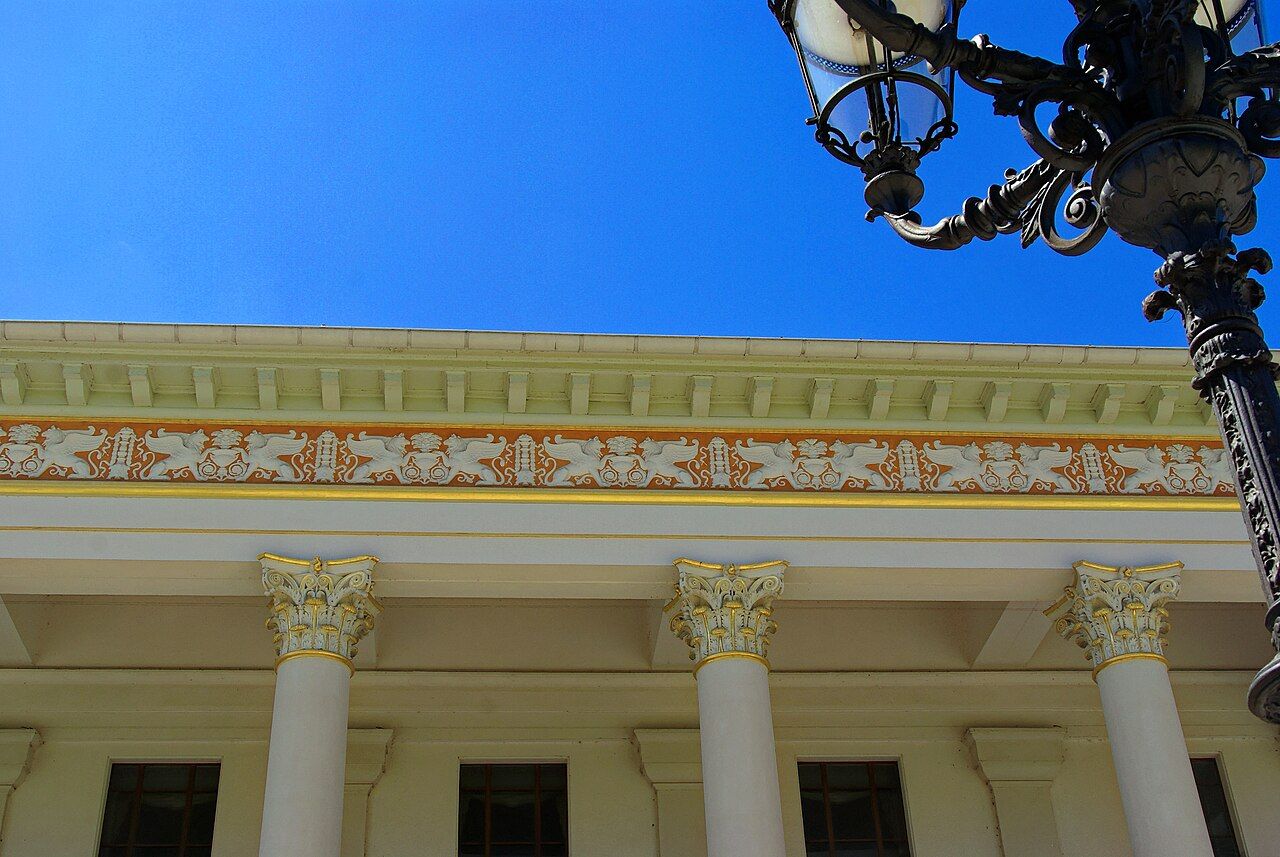
What is a spa town for, once the water has been tasted? The short answer is: a whole day. UNESCO inscribed the Great Spa Towns of Europe together in 2021. The listing covers eleven towns in seven countries: Austria, Belgium, Czechia, France, Germany, Italy and the United Kingdom. It is less a list of places with water nearby than a way of arranging a town around water, walking and company.
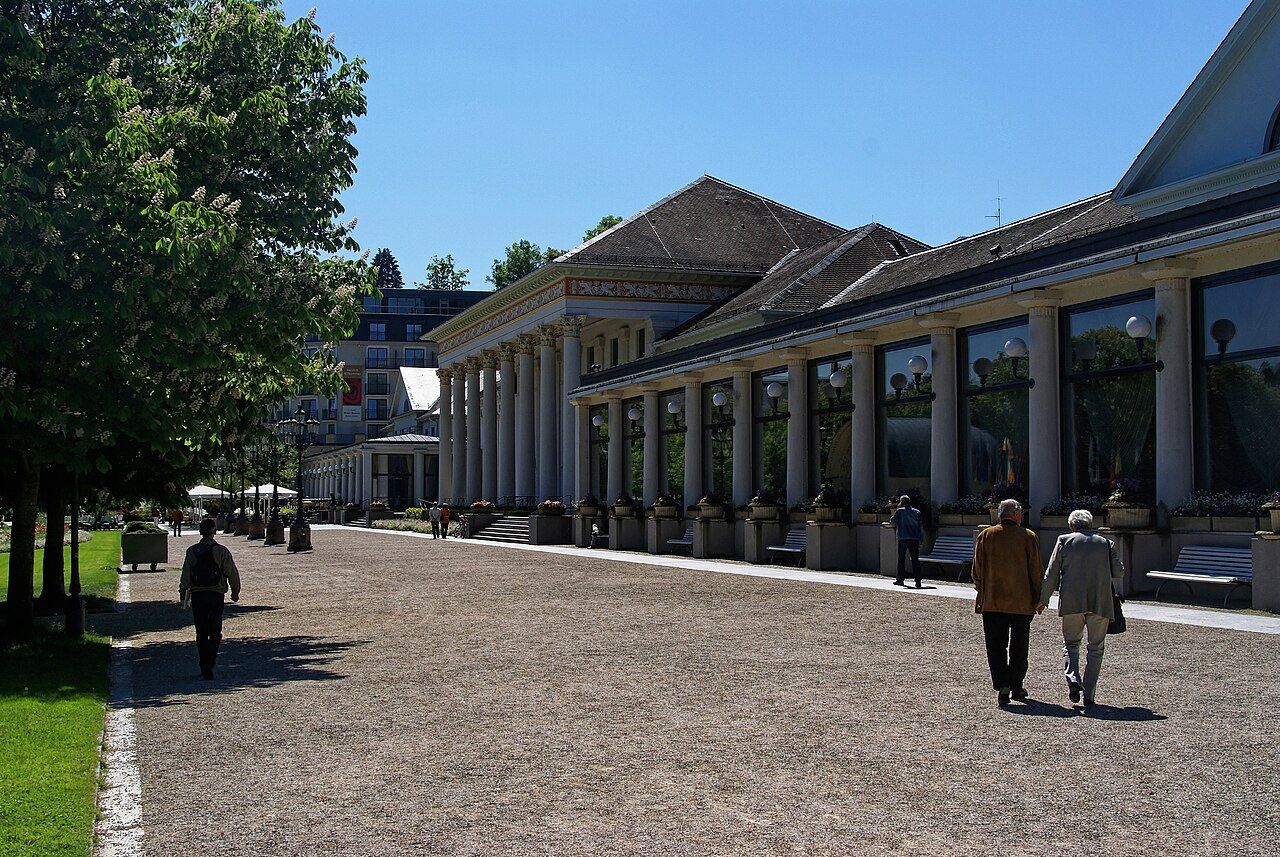
The towns grew around natural mineral springs and were at their busiest between about 1700 and the 1930s. Each was built for a daily round of drinking the waters, bathing, walking and meeting people. Pump rooms, drinking halls and colonnades let visitors take the water under cover in any weather. Parks and long promenades made the walk between springs part of the plan. The idea is agreeably direct: the water is the reason to go out, and the walk is not merely the distance between things.
A spa town is a place where the walk between springs belongs to the water.
A spa town is a place where the walk between springs belongs to the water.
The World Heritage listing for the Great Spa Towns of Europe is described on the UNESCO site under its official name, The Great Spa Towns of Europe. A visitor might choose a few towns rather than try to turn all eleven into a single, dutiful march. There is also the question of linking several of them by rail, which can make a sequence feel more like a trip and less like a collecting exercise.
Baden bei Wien
Morning: what is the first part of the day? The daily round begins with drinking the waters, then bathing, walking and meeting people. That is quite enough ceremony for a morning. A pump room or drinking hall supplies the covered part; the landscaped park and promenade supply the reason to keep moving.
Spa
What does the walk do that the water cannot? It gives the day a shape. The parks and long promenades were part of the plan, not decorative space left over after the important buildings had been placed. Walking between springs became one of the town’s ordinary activities. A sensible arrangement, and one that asks little of anyone except a willingness to keep going at a human pace.
Karlovy Vary
Is there a particular way to take the waters? The towns made room for drinking them in pump rooms, drinking halls and colonnades. In Karlovy Vary, the comparison can be summed up as the town of spouted drinking cups. The practical point is the larger one: the water was not tucked away as a private diversion. It had a public setting and a place in the day.
Františkovy Lázně
Midday: where does the walk lead? Between springs, through a landscaped park, along a promenade. The route is not an interruption to the visit; it is part of what these towns were built to provide. Under cover, visitors could take the water in any weather. Outside, the walk carried on, which is one way to make peace with weather without pretending to control it.
Mariánské Lázně
What happens when a town is designed around a repeated daily round? The buildings support it. Pump rooms and drinking halls offer a place for the water; colonnades give the activity a covered setting. Parks and promenades carry the visitor from one spring to another. The town’s plan says, in a quiet architectural voice, that there is time to do this properly.
Vichy
Is the walk only for the morning? No. The daily round includes drinking, bathing, walking and meeting people, and the parks and promenades make room for more than a quick circuit. A slow walk is a modest ambition. It also has the advantage of not requiring a dramatic view to justify itself.
Bad Ems
Late afternoon: what follows the springs? The evening had its own places. Theatres, concert halls, reading rooms and assembly rooms grew up in the towns as places to pass the time. Royalty, writers and composers from across Europe spent whole seasons in these towns in the nineteenth century. That is a longer stay than most itineraries allow, but the towns were plainly built to hold a day that did not end at the pump room.
Baden-Baden
Could a visitor choose a smaller sequence instead of treating the list as a dare? Certainly. The eleven towns share a pattern, but the useful plan may be to compare a few of them: water at the centre, places to take it under cover, and a walking landscape that connects the parts. For another way into the list, there are the three smaller towns on the list.
Bad Kissingen
What should the visitor notice in a town like this? Not a checklist of buildings so much as the joins between them. The spring, the drinking hall, the promenade and the evening rooms belong to one daily arrangement. It is a town with somewhere to go after the water, and somewhere to go before it, which is a useful quality in a town.
Montecatini Terme
Does the shared design make all eleven towns interchangeable? The facts do not say that, and the list is not a promise of sameness. It describes a kind of town, shaped around natural mineral springs and a round of activity. The particulars belong to each place; the common thread is the attempt to give water, walking and company a place in the same day.
Bath
And if the day wants one more comparison? Bath is on the list too, alongside the other ten towns.
Close by in spirit: Bath: a spring, a museum and the streets around it
The broader point remains pleasingly unshowy: water drew people together, and the town gave them a route, a covered place to drink and somewhere to spend the evening.
The numbers: eleven towns, seven countries, inscribed together in 2021. The slow walk is the point.