Tattoos at the baths
A practical look at tattoo rules in Japan’s baths: their history, the patchwork from place to place, and the alternatives.
- Kind of place
- bathing
- House rule
- rules vary bath by bath
- Country
- Japan
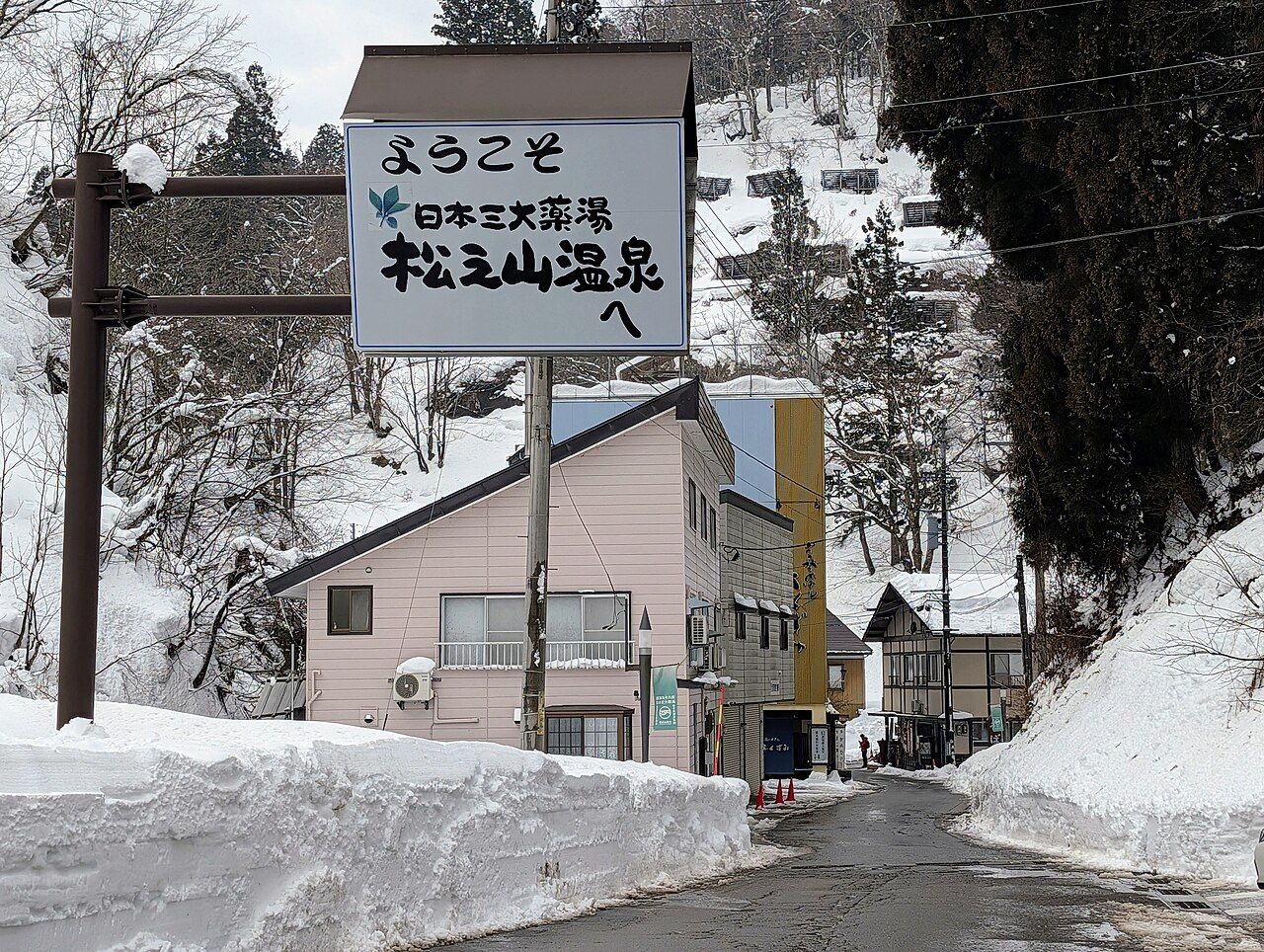
At the entrance to a Japanese bath, the question is simple: what does the tattoo rule say? The answer may be on a sign, either at the entrance or reception. The awkward part is that there isn’t one answer for every bath.
Morning: Why were tattoos refused? Many onsen and sento in Japan have long turned away bathers with tattoos. In the public mind in Japan, tattoos have long been linked with organised crime. That association helps explain the rule; it doesn’t make the rules uniform, or make the sign any less worth reading.
There is no single pattern; some baths now welcome tattooed bathers, while many still refuse entry. For an introduction to the setting, see an onsen from start to finish. The details are local to each bath, which is not the tidy answer a traveller might have hoped for, but it is the useful one.
Midday: Is there a way round a restriction? Some Japanese baths allow small tattoos if they’re covered with a skin-coloured patch. That is a specific allowance, not a general pass for every tattoo or every bath. The posted rule is the place to find out which version applies.
Private baths that can be reserved for one group are common at Japanese onsen inns. They offer a different arrangement from a public bath, and can be another option for bathers who would rather not make a shared-room rule the centre of the day. The rules still vary bath by bath; Japan has resisted the temptation to make this simple.
Late afternoon: Is this a rule everywhere? No. Most public baths in Korea, Iceland and Europe do not restrict tattoos. A Korean bath offers a different set of bathing customs; here is a Korean night at the baths. For a broader comparison, see the related story.
Close by in spirit: Bath manners, country by country
In 2016, the Japan Tourism Agency asked hot spring operators to find ways to accept bathers with tattoos. Some baths now welcome them, but the patchwork remains: a shift in approach, not a single shared rule. The sign at the entrance or reception remains a plain, practical part of the visit.
The numbers: rules vary bath by bath. That patchwork is less elegant than a bath, but at least the sign has a job.