The Camino’s last hundred kilometres
A slow-week reading of the Camino Francés, from Sarria to Santiago: the stamps, the arrows, the summer crowds and the arrival at the cathedral.
- Kind of place
- pilgrimage
- House rule
- two stamps a day
- Country
- Spain
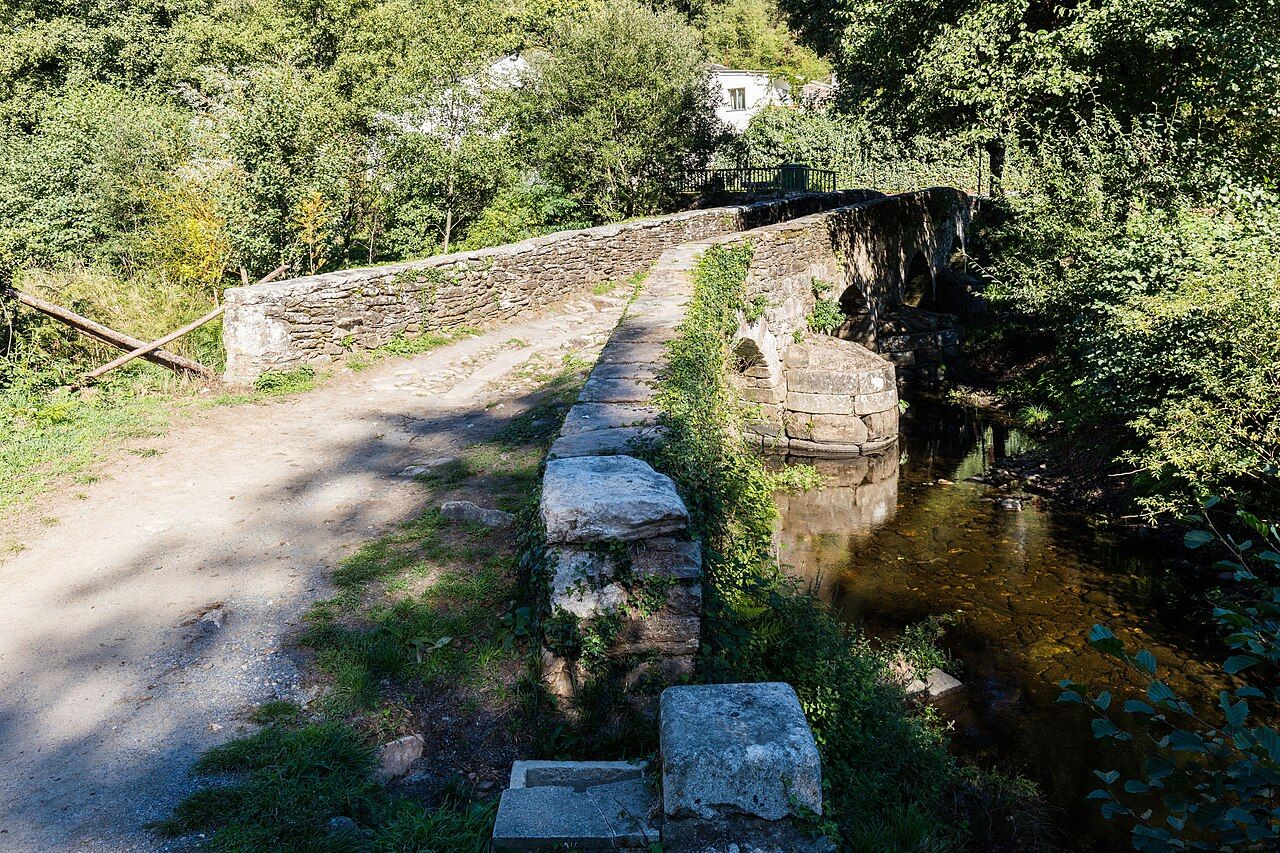
A credential is a booklet with a simple plot: it gathers stamps as a pilgrim walks towards Santiago. On the last stretch of the Camino Francés, that small record has a practical job as well. The walk can be taken as a slow week, with each day built around the route, its markers and the next stamp. The scenery does not need a subplot.
Why begin at Sarria? Sarria is about 115 kilometres from Santiago and is the most common starting point for the last stretch of the Camino Francés. Pilgrims must walk at least the last 100 kilometres to Santiago de Compostela to receive the Compostela certificate. Cyclists have a longer minimum: at least the last 200 kilometres. The distances are not interchangeable, a rare moment when a booklet and a measuring stick agree on the plot.
What does a walking day ask of a pilgrim? The facts are spare, which suits a slow week. Walk along the route, carry the credential, and collect stamps as the kilometres pass. On the last 100 kilometres, at least two stamps a day are needed in the credential. That is enough structure to give a day a quiet task without pretending the task is the whole point. A walk, a booklet, another stamp: not a complicated schedule, and not quite a holiday from schedules either. The credential is also the thing that makes the walking legible after a day has passed: not a diary, exactly, but a record of having moved through the route. The stamps make progress visible in a way kilometres alone do not, which is useful when a week is made of repeated acts.
How does the route show the way? Yellow arrows and scallop-shell markers guide the Camino de Santiago. The shell has been the symbol of the pilgrimage to Santiago since the Middle Ages. A route can be practical and symbolic at once; the arrows are useful, while the shell carries a longer memory. Pilgrims have other long roads to follow, including the Japanese trail twinned with the Camino.
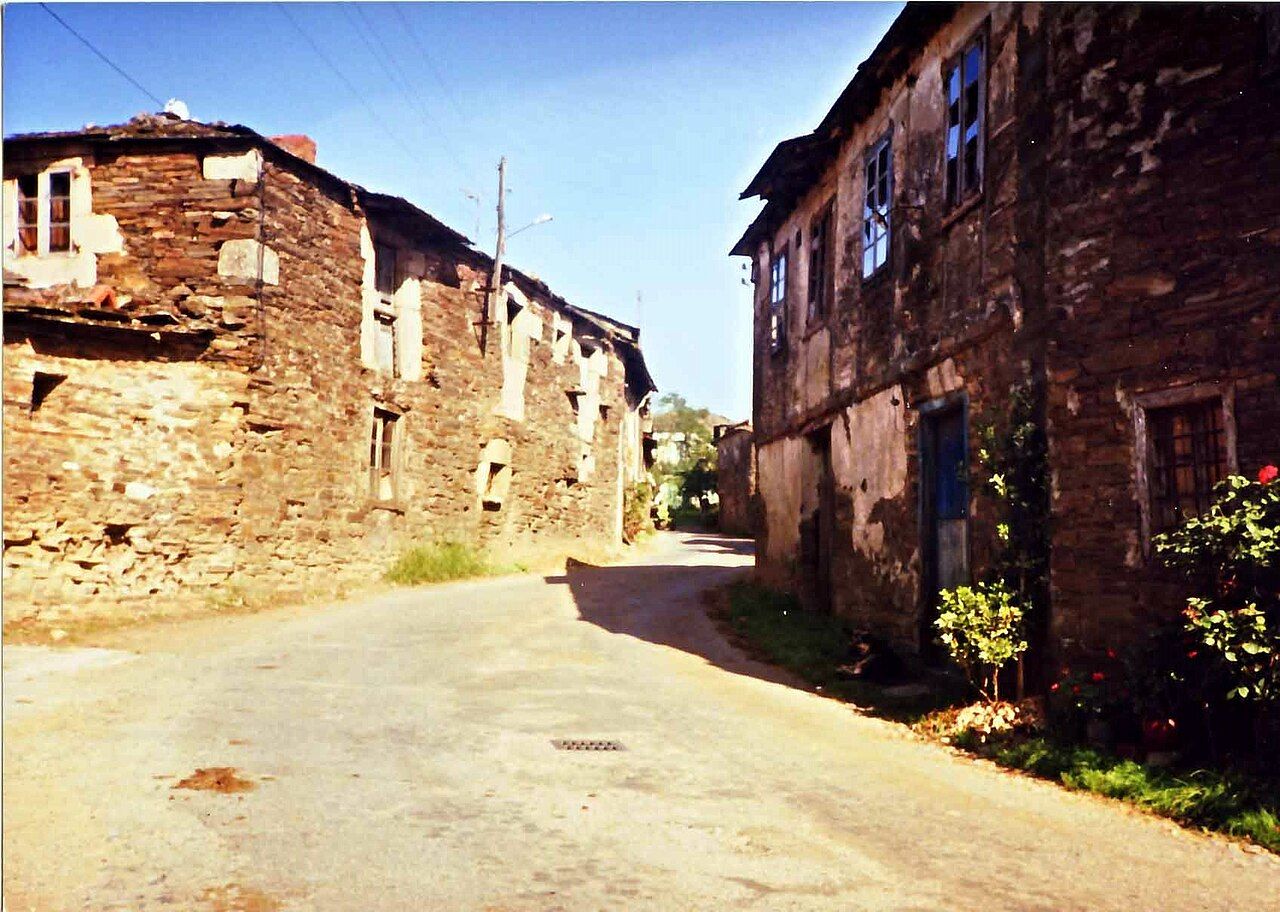
What is the landscape doing? The Camino Francés crosses Galicia through farmland, oak woods and small villages. There are stone granaries called hórreos, a word that lends a little texture to the walking day before anyone has to look up from the path. Farmland, trees, village streets: the route changes its setting without needing to announce each change. The pleasure is in moving through it at walking speed, when a landscape gets more than a passing glance.
Is it quiet in summer? No. The last stretch draws its heaviest crowds in July and August. The crowds belong in the picture, rather than in a footnote; this is a popular route, and the final kilometres are no secret to the people walking them. More than 400,000 pilgrims received the Compostela in 2023. That number is for the certificate, not a headcount of one particular path, but it gives the pilgrimage a scale larger than any single slow week.
What changes when Santiago appears? The walking has been pointed towards Santiago, and the arrival at Santiago Cathedral gives the route its destination. The Botafumeiro is a huge silver-plated censer swung across the cathedral’s transept on certain days. It is not something the facts promise on every arrival; the route’s finish is still the finish, with or without a censer crossing overhead. The Compostela has its own clear threshold: the required distance, and the stamps in the credential.
Where does this road sit among other pilgrim routes? It is one way of thinking about a long journey on foot: a route with a destination, repeated days and small markers of progress. The pilgrim road to Rome and Norway’s long pilgrim path offer other names for the same broad impulse to keep going. the pilgrim road to Rome and Norway's long pilgrim path make useful companions in the imagination, even when the feet are on the Camino.
The scallop shell has been the symbol of the pilgrimage to Santiago since the Middle Ages.
The scallop shell has been the symbol of the pilgrimage to Santiago since the Middle Ages.
Close by in spirit: Shikoku’s 88 temples, and what a henro carries
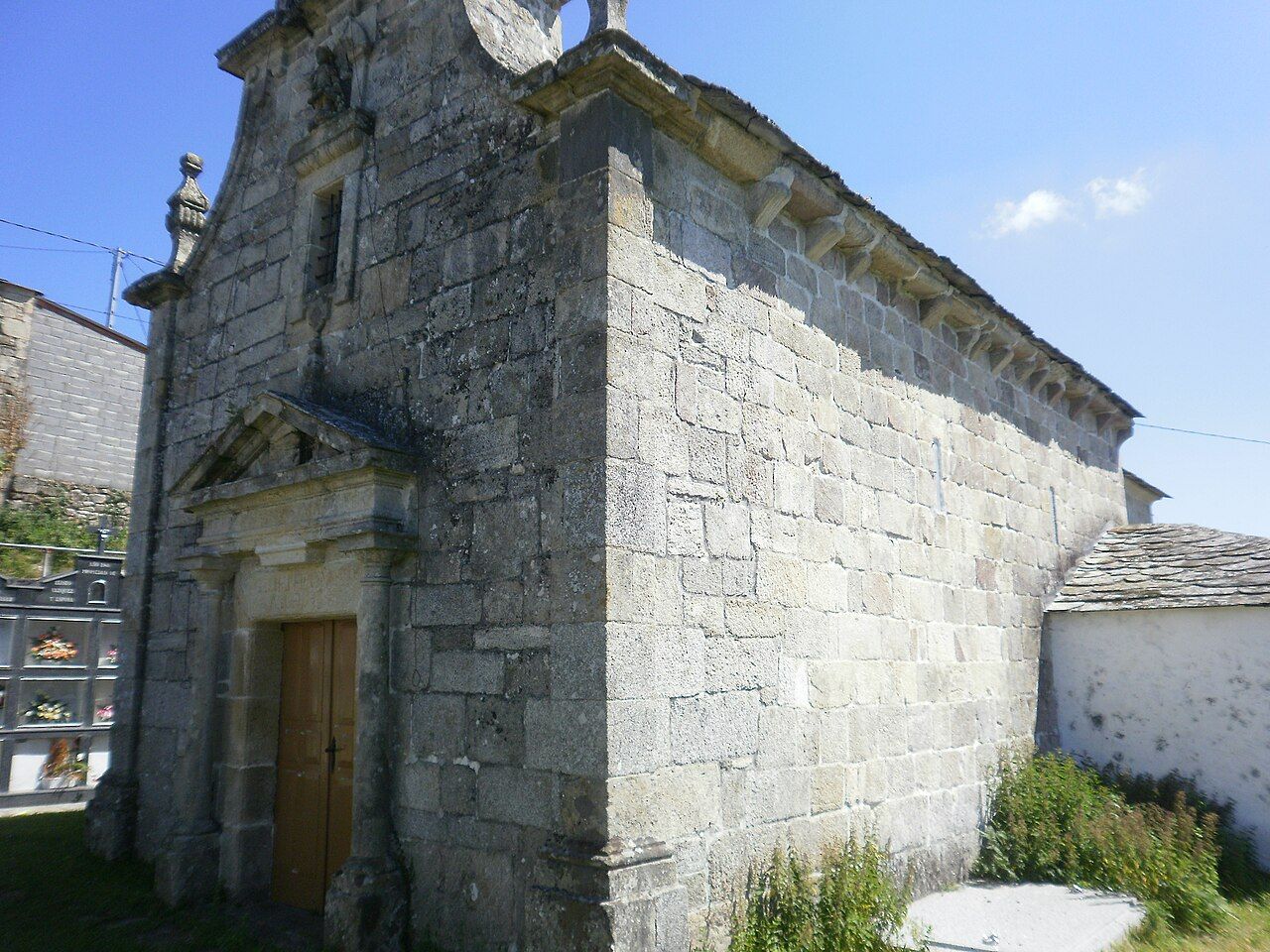
The Camino’s last stretch is not a test of speed. It is a sequence of days, landscape and stamps, with summer crowds plainly part of the arrangement. My preference is for the route at walking pace, where even a stone granary gets a proper look.
The numbers: at least 100 kilometres on foot; 200 by bicycle; two stamps a day; July and August busiest.