Lindisfarne, where the tide keeps time
On Holy Island, the causeway disappears under the sea twice a day. Stay once the visitors have left and the timetable remains the island’s most persuasive host.
- Kind of place
- island stay
- House rule
- cross only at the safe times
- Country
- United Kingdom
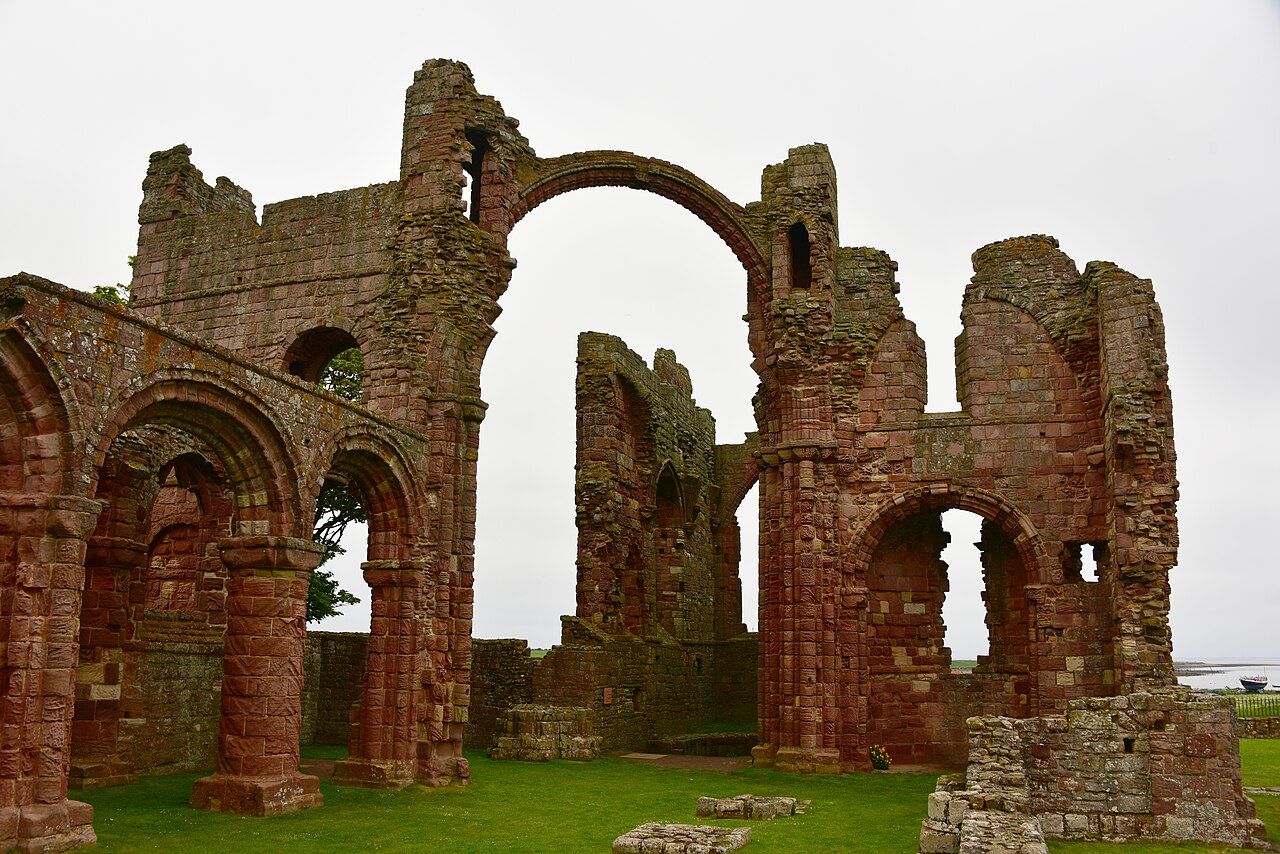
What sets the day on Lindisfarne? The tide, with the sort of authority usually reserved for people holding the keys. Holy Island lies off the Northumberland coast, linked to the mainland by a causeway that is covered by the sea at high tide twice a day. After the visitors leave, the water still has its schedule. It is not especially interested in anyone’s plans.
What does the causeway ask of a visitor? Attention to its safe crossing times, which are published in advance. Drivers who ignore them are sometimes cut off. That is a fairly direct lesson in the difference between a timetable and a suggestion. An island stay lets the day settle around the crossing rather than asking the crossing to fit around the day.
What happens when the sea comes in? The road is covered, and the mainland is no longer reached by that route. Refuge boxes on stilts stand beside the causeway for anyone caught by the rising tide. They are a striking reminder that the tide is not scenery laid on for the view. It has a practical part in the story, and it keeps it.
Is there another way across the sands? The Pilgrims’ Way is marked by a line of tall poles. The name gives the route a solemn sound; the poles give it a visible one. A walk here is measured not just in steps but in the crossing itself, with the sea setting a boundary that is more than decorative. The causeway remains the route with published safe crossing times.
What is the island like once the visitors have left? It is still an island, which sounds obvious until the road has gone under. The pace belongs to the tide now: a crossing, a pause, another crossing. That is the appeal of staying, rather than treating Lindisfarne as a place to fit between other plans. The water makes a fairly convincing case for leaving some room in the day.
What was here before the visitors? Saint Aidan founded a monastery on Lindisfarne in 635. The fact gives the island a long religious history without requiring much embellishment. The route that ends here is the walk that ends on the island. And if the mind wanders to another island of early saints, it has found a sensible companion, though Lindisfarne’s own story is already substantial.
What happened to the monastery? The Lindisfarne Gospels were made on the island in the early 8th century; they are kept at the British Library. Vikings raided the monastery in 793. The dates sit close together in the island’s history, one marking the making of a celebrated book, the other a raid. Neither makes the crossing timetable feel like a modern inconvenience.
What catches the eye beyond the causeway and the island’s older history? Lindisfarne Castle, built on a rocky crag in the 16th century. The setting sounds almost engineered to make a visitor stop and look; in this case, the rock is doing some of the work. The island offers a useful correction to the idea that a place should be measured by how much can be fitted into a day.
Close by in spirit: Montserrat, the serrated mountain
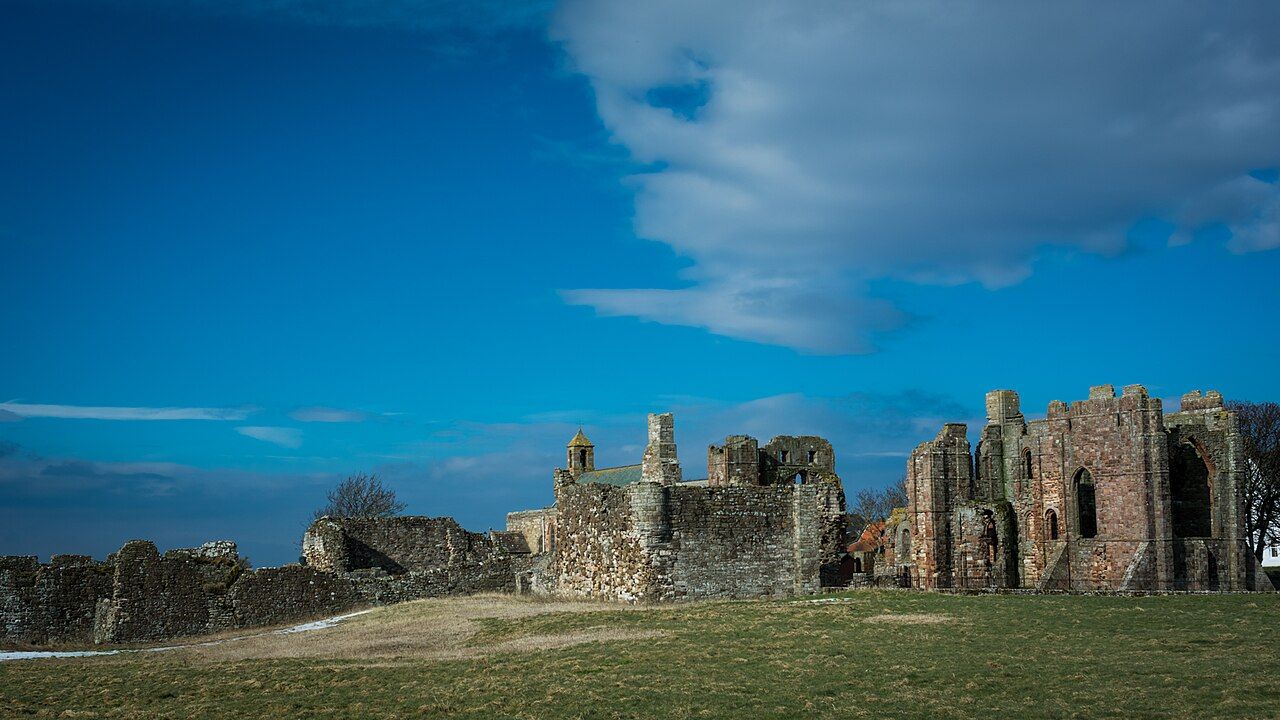
The numbers: twice a day at high tide; 635; early 8th century; 793; 16th century.
The tide is my favourite keeper of time here.