Reykjadalur, the steam valley
A walk above Hveragerði leads to a warm river, steaming vents and a landscape where the ground is not a place to wander off the path.
- Kind of place
- hot river
- House rule
- stay on the boardwalks
- Country
- Iceland
Reykjadalur
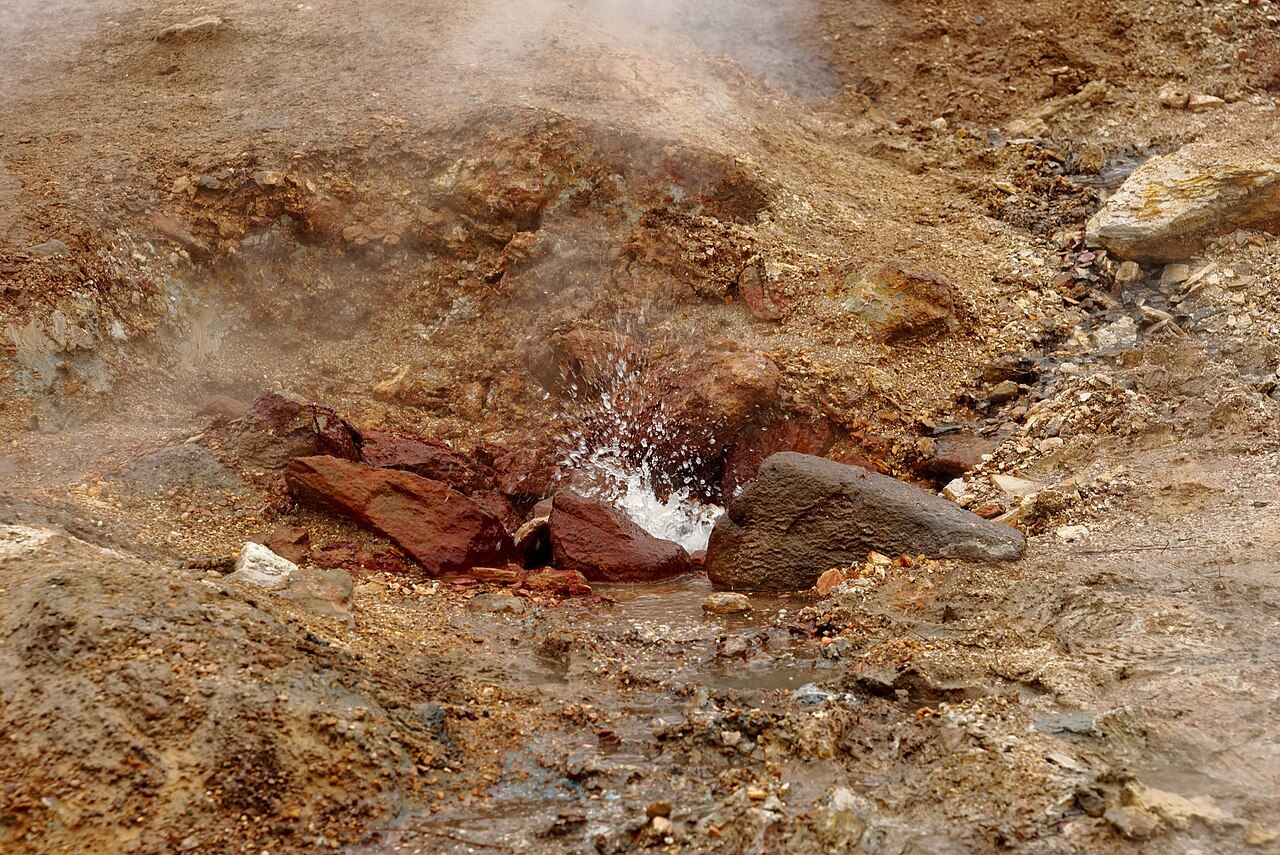
Morning: what is Reykjadalur, and why does the name sound like a useful warning? It means Steam Valley in Icelandic. The valley lies above Hveragerði, about 45 kilometres east of Reykjavík, where a warm river runs between steaming vents. The name is descriptive. Iceland has not made a habit of understatement here.
How does the walk begin? The path from the car park to the bathing stretch is about 3.5 kilometres each way. Walkers are asked to stay on marked paths: near the hot springs, the ground can be thin. Mud pots and steam vents near the path are hot enough to cause serious burns. A shortcut across the interesting-looking ground is not an improvement.
What is Hveragerði doing down below? It is known for greenhouses heated with geothermal water. An earthquake in 2008 opened new hot springs near the town. Reykjadalur is part of a landscape where heat is not merely scenery, and the path is there for a reason.
Close by in spirit: Budapest's thermal baths, pool by pool
Midday: what happens at the river? Walkers bathe in the stream along its bathing stretch, where wooden boardwalks and small screens have been built. The water’s temperature changes along the river as hot and cold streams join it. A warm patch is not a guarantee for the next one; hot and cold streams meet along the river.
Is the boardwalk only a convenience? It is also the custom to stay on it. The combination of warm water, steam and a marked route makes for a clear set of instructions. Follow the route; leave the hot ground alone. For a different kind of bathing in Iceland, there are Reykjavík's neighbourhood pools.
Late afternoon: what might the walk leave to think about? That warmth and danger can share a landscape without needing to be mistaken for one another. The river is for bathing; the vents and mud pots are not. For another place shaped by geothermal steam, read about another town built on steam.
The numbers: about 3.5 kilometres each way from the car park to the bathing stretch; about 45 kilometres east of Reykjavík. For another seasonal take on bathing, read about a hot river in the cold season.