Budapest's thermal baths, pool by pool
A bath day can begin in Széchenyi’s winter steam and move on to Gellért’s Art Nouveau halls, with a cap, a circuit of pools and no need to rush.
- Kind of place
- thermal baths
- House rule
- bring a swimming cap
- Country
- Hungary
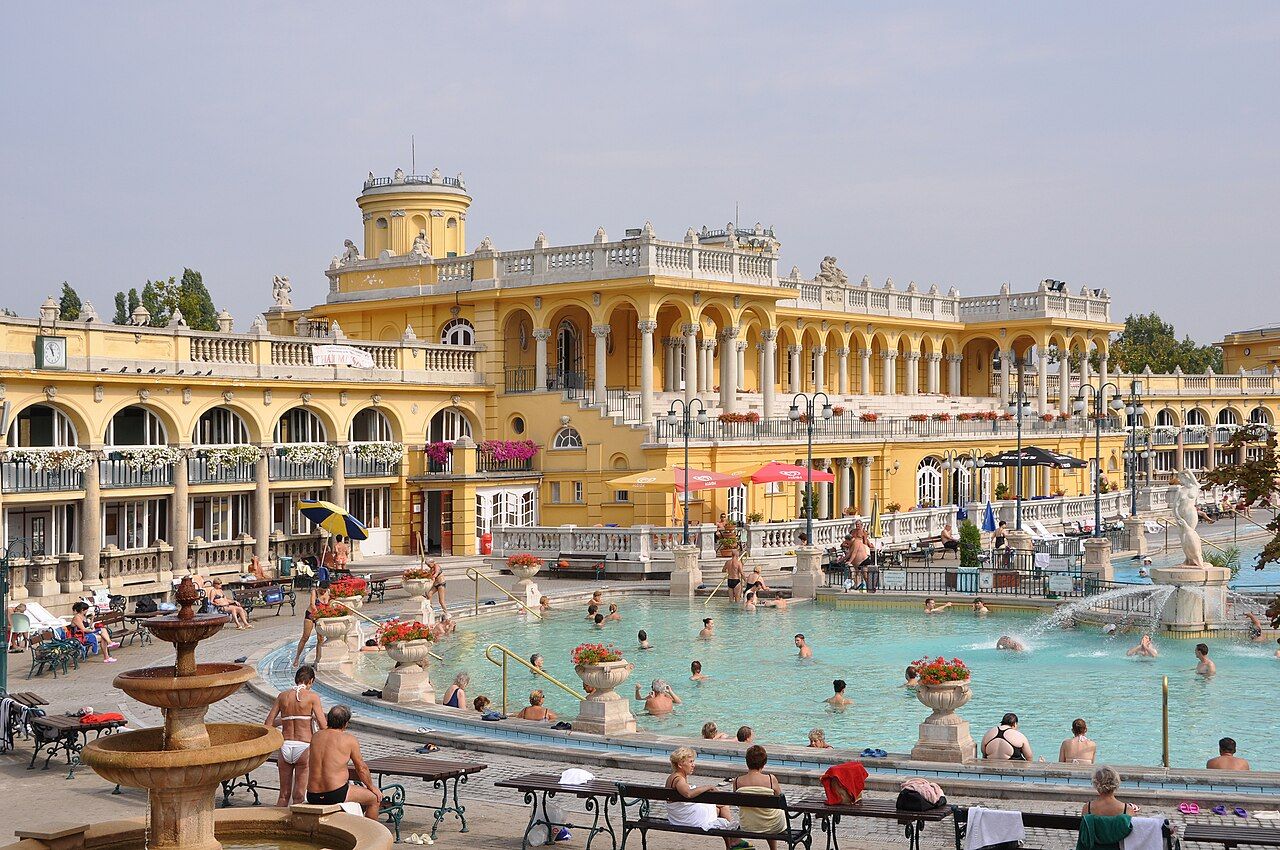
What does a day in Budapest look like if the plan is to follow the water? It begins with a city built over more than 100 thermal springs, many of them feeding public baths, and proceeds pool by pool. The useful thing is not to pretend that every bath is the same. The less useful thing is to arrive with a swimming cap in the wrong place; the rules are straightforward once they are known.
Budapest
Morning: where should the day start? At the Széchenyi Bath, in City Park, whose outdoor pools stay open in winter. On cold days steam rises off the water, making the contrast rather hard to miss. The bath opened in 1913 and is one of the largest bath complexes in Europe. It is a substantial first answer to the question of what to do with a city full of hot springs.
How does the visit begin without turning the morning into a transport puzzle? The Széchenyi Bath has its own stop on Line M1, the city's oldest metro line, which opened in 1896. Budapest's public transport, including Line M1, is organized by the city's transport authority, BKK. The official tourism site, visitbudapest.travel, lists the baths along with the rest of the city. That is enough orientation for a bath-focused day; the water can handle the rest of the agenda.
What belongs in the bag? A swimming cap, if the plan includes swimming pools. Caps are required in the swimming pools of Budapest's baths, though not in the thermal pools. The distinction matters: the cap is not a general uniform for sitting in warm water. For the small practical details, see the swimming cap and the flip-flops.
And what is the case for starting outdoors, even in winter? Chess players often play on floating boards in the Széchenyi Bath's outdoor pools. The scene has the calm concentration of a game, with the added complication that the board is on water. On cold days, steam rises from the pools; it is an arrangement that makes winter bathing seem less like a test of character and more like a reasonable use of a hot spring. There is more on bathing outdoors in the cold months.
The sensible plan is to let the pools set the pace.
The sensible plan is to let the pools set the pace.
Midday: should a bath day mean staying in one pool until the clock objects? Many of the baths have a circuit of pools at different temperatures, from cool to about 38 degrees Celsius. A circuit gives the visit a simple shape: move between temperatures, pause where the water suits, and resist the urge to treat every pool as an item to be completed. This is not a city that needs help making a day feel full.
Is the same cap needed for each part of that circuit? No. The swimming pools require one; the thermal pools do not. A swimming cap is a small piece of kit, but it has the rare advantage of being useful before it becomes a source of debate. The bath rules are less elaborate than a visitor might expect, which is welcome news for anyone who has packed for a complicated expedition.
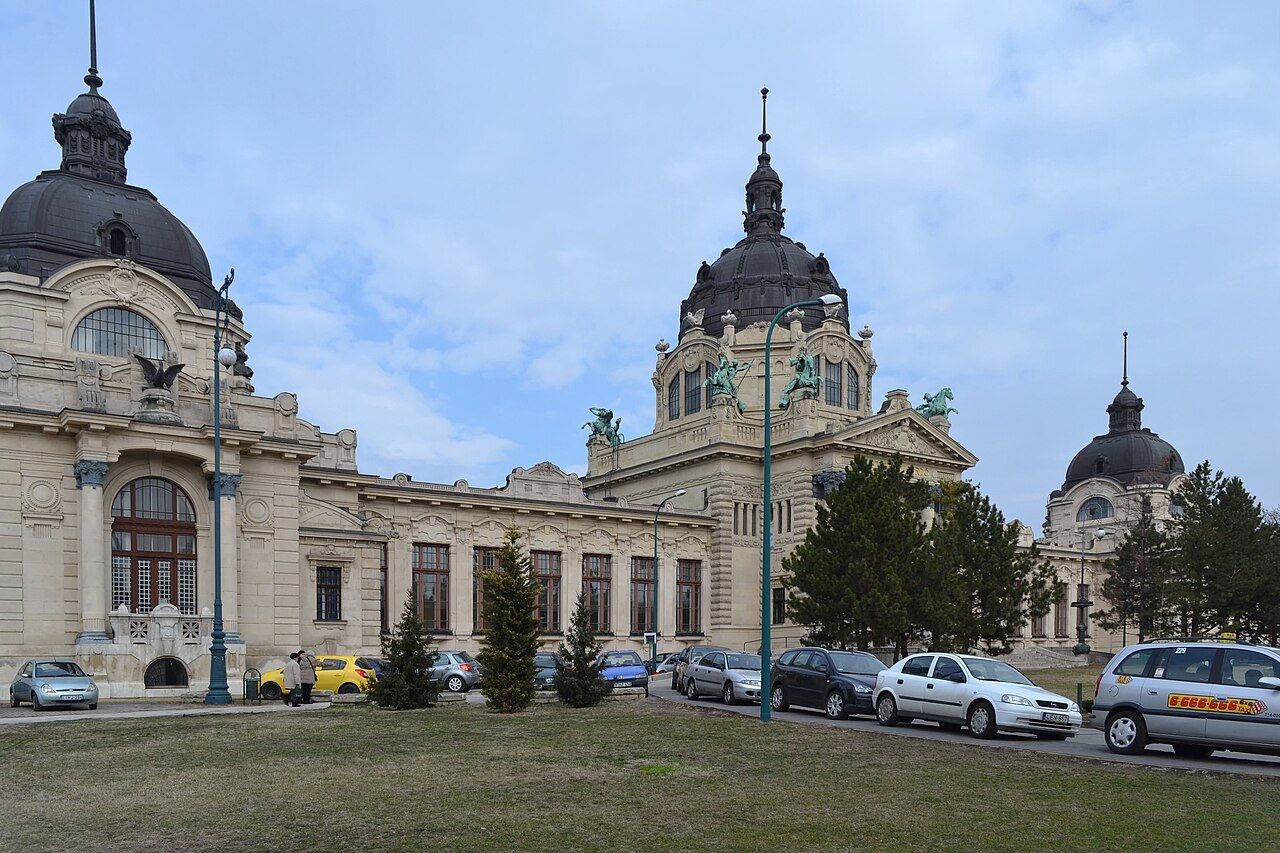
Who runs the large public baths? Budapest Spas, a company owned by the city. That makes the baths part of the city's public life as well as a place to spend a morning or afternoon. The number of springs is striking; the practical point is that many of them feed the public baths, so the water is not merely a decorative theme for the city.
Gellért Bath
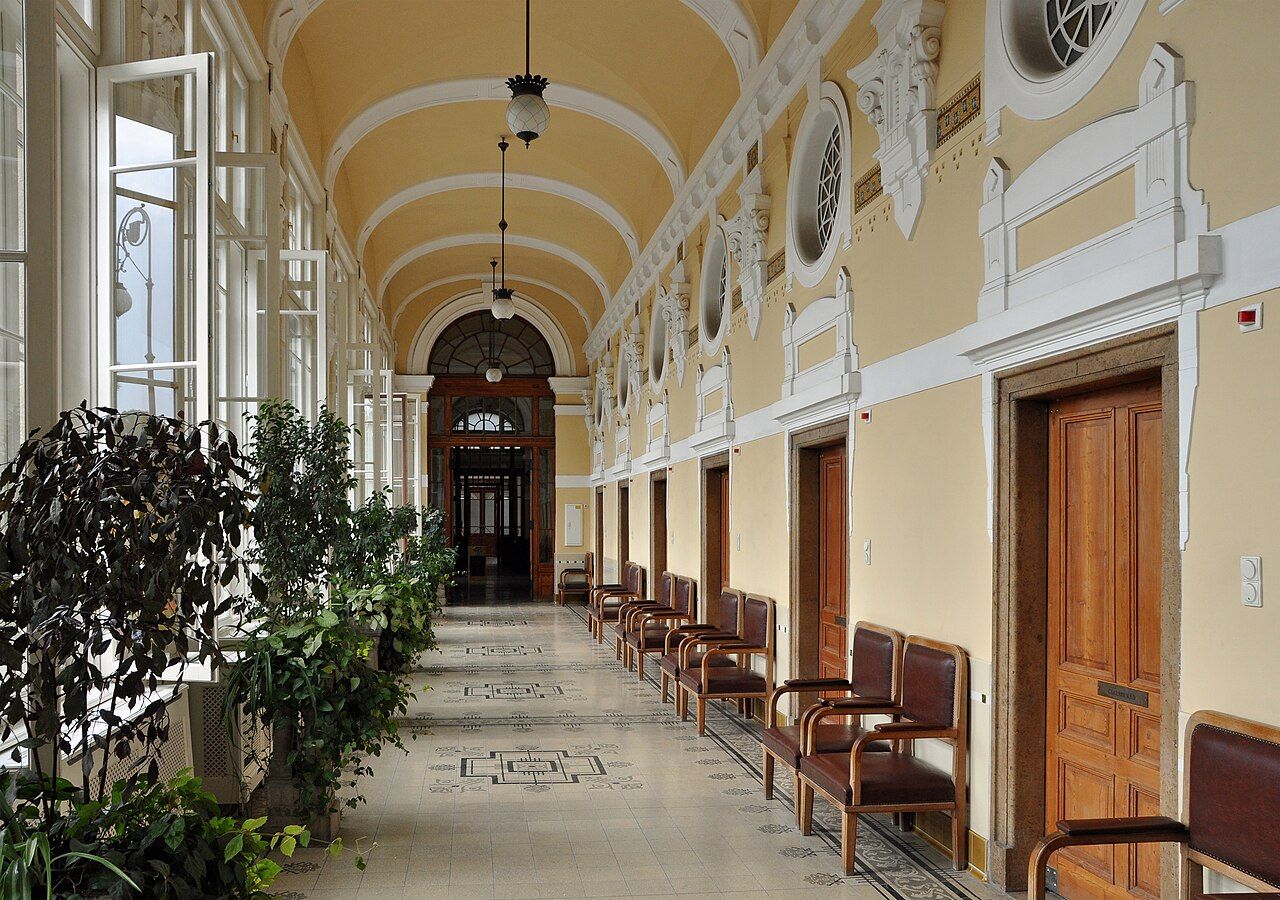
Late afternoon: where does the day go next? The Gellért Bath, at the foot of Gellért Hill, opened in 1918 and is known for its Art Nouveau halls and tiles. If Széchenyi makes its case outdoors, Gellért makes it through architecture. The halls and tiles give a visit a different pace: there is a good reason to look around as well as settle into the water.
Does the change of setting mean a change in the basic bathing plan? Not necessarily. Across many of Budapest's baths, pools can be arranged in a circuit from cool to about 38 degrees Celsius, and swimming-cap rules still distinguish swimming pools from thermal pools. The appeal is less about collecting a set number of pools than noticing how different temperatures change the feel of a pause. No grand strategy required.
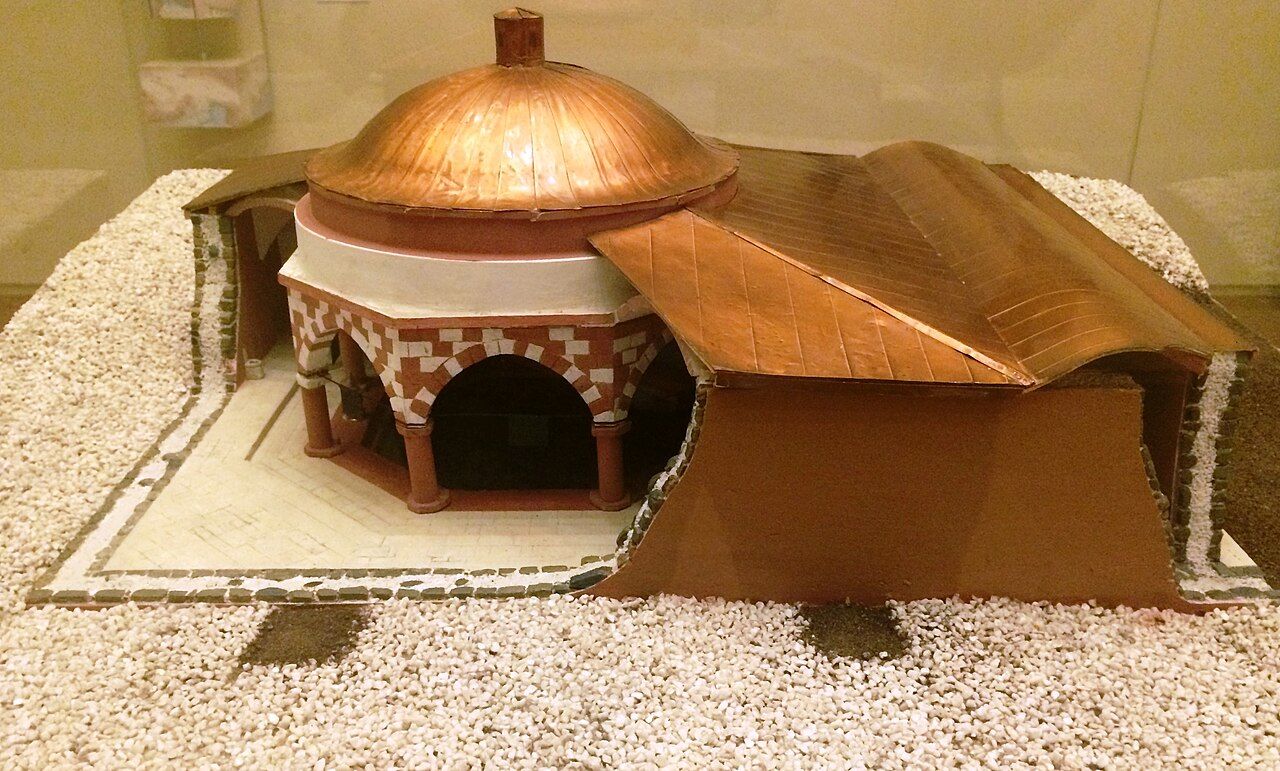
Are these the only bathing stories the city has? No. For another part of Budapest's bathing history, there are the domed baths the Ottomans left behind. Some baths also hold evening opening and bath parties on certain nights, though the day plan here is content to finish with the pools and the rooms around them. The city's official tourism site places the baths alongside the rest of Budapest, which seems about right: bathing is not separate from the city so much as one of its ways of arranging time.
Close by in spirit: Banff’s Upper Hot Springs: a soak with a longer story
The numbers: more than 100 thermal springs; Széchenyi opened in 1913; Gellért in 1918; Line M1 in 1896; pool temperatures up to about 38 degrees Celsius.
For another spa-town story, continue with Vienna's own spa town.