A neighbourhood hammam in Fez
A plain guide to the neighbourhood hammam in Fez: black soap, the kessa, buckets, separate hours, and the ordinary customs that make the bathhouse work.
- Kind of place
- hammam
- House rule
- separate hours for women and men
- Country
- Morocco
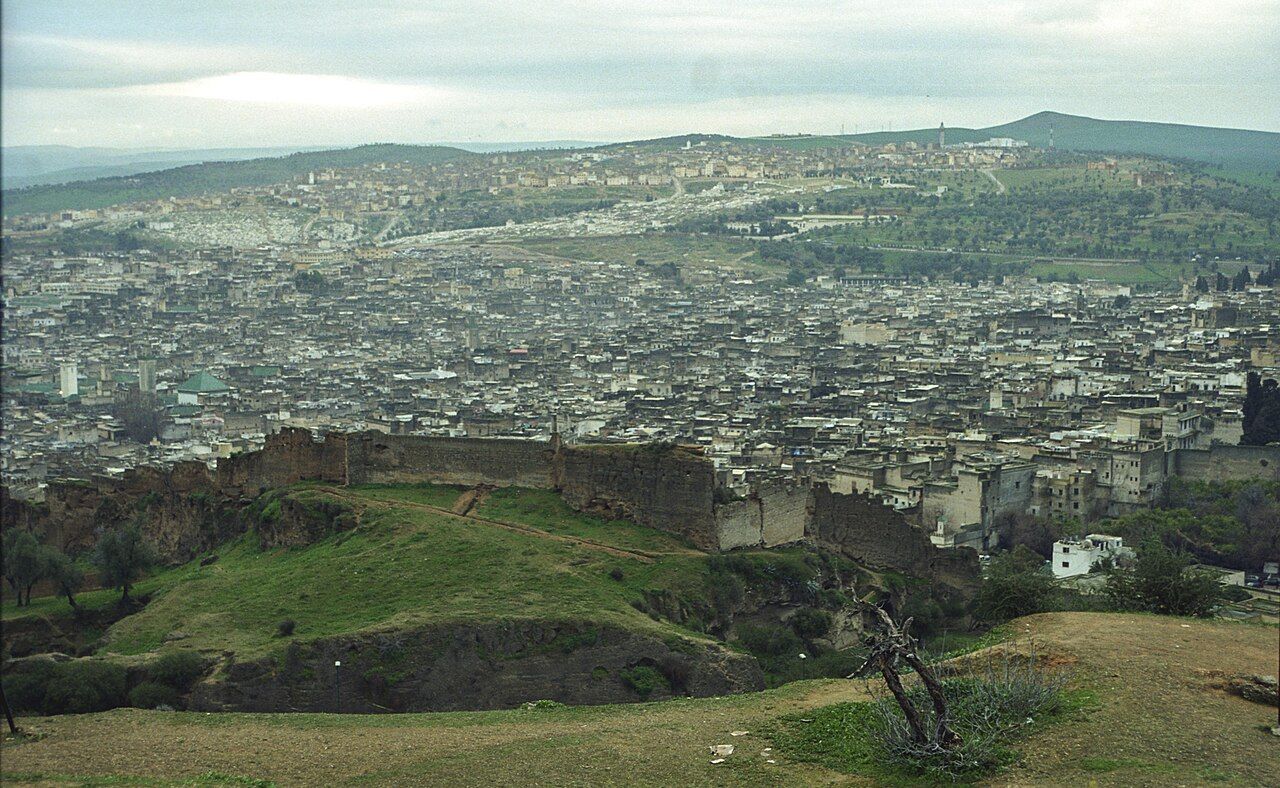
A useful neighbourhood map has a mosque, a hammam, a public fountain, a bread oven and a Quranic school close together. It reads less like a visitor’s itinerary than a list of things people need. The hammam belongs in that company: a working part of the neighbourhood, not a performance put on for anyone passing through.
Close by in spirit: The Finnish sauna, properly
What is the setting? The medina of Fez, known as Fes el Bali, joined UNESCO’s World Heritage list in 1981. That is a grand description for a place whose neighbourhood pattern is also quite practical. The public hammam sits among everyday services, and its customs make more sense as part of that life than as a spectacle. The architecture can wait; the buckets have work to do.
How does a neighbourhood hammam fit in? The traditional Moroccan neighbourhood puts the mosque, hammam, public fountain, bread oven and Quranic school close together. There is a pleasing lack of fuss in that arrangement: water, bread, learning, worship and bathing are not treated as separate outings. For another history, there is the hammam as the Ottomans built it. This story stays with the Moroccan neighbourhood bath.
What are the rooms like? A Moroccan hammam usually has three rooms, each hotter than the last. The change is simple enough to understand without a grand theory: the air grows hotter as bathers move through the rooms. Heat is the main event, and it does not need much narration. A little patience seems more useful than trying to turn the temperature into a competition.
What goes on the skin? Bathers use black olive soap, called savon beldi. The name is worth keeping; it is more precise than calling everything in a bathhouse “soap” and hoping for the best. The soap is part of the washing custom, not a souvenir of the experience. There is a distinctive, earthy quality to black olive soap, and the bathing routine carries on without requiring a speech about it.
What is the scrub mitt? The rough mitt is called a kessa, and it is used to scrub the skin. Ghassoul, a clay from the Atlas Mountains, is used for washing the hair and skin. These are different parts of the routine, with different textures: the mitt is rough; the clay is, well, clay. The appeal is in the plainness of the materials and the work they are put to.
Where does the water come from? Bathers fill buckets from hot and cold taps, then pour the water over themselves. The method is direct, and not much ceremony is required. A bucket fills; water makes its hollow sound as it is poured; the bather chooses the temperature by using the taps. It is a hands-on arrangement, in the most literal sense, and a good reason not to arrive expecting buttons.
What should bathers wear, and when are the hours? Bathers in a Moroccan hammam usually keep their underwear on. Many neighbourhood hammams in Morocco keep separate hours for men and women. That is the custom to have in mind; the details of what to wear in a bathhouse belong to the wider question of bathing etiquette. A neighbourhood hammam is not a stage, and there is no prize for making the visit more complicated than it is.
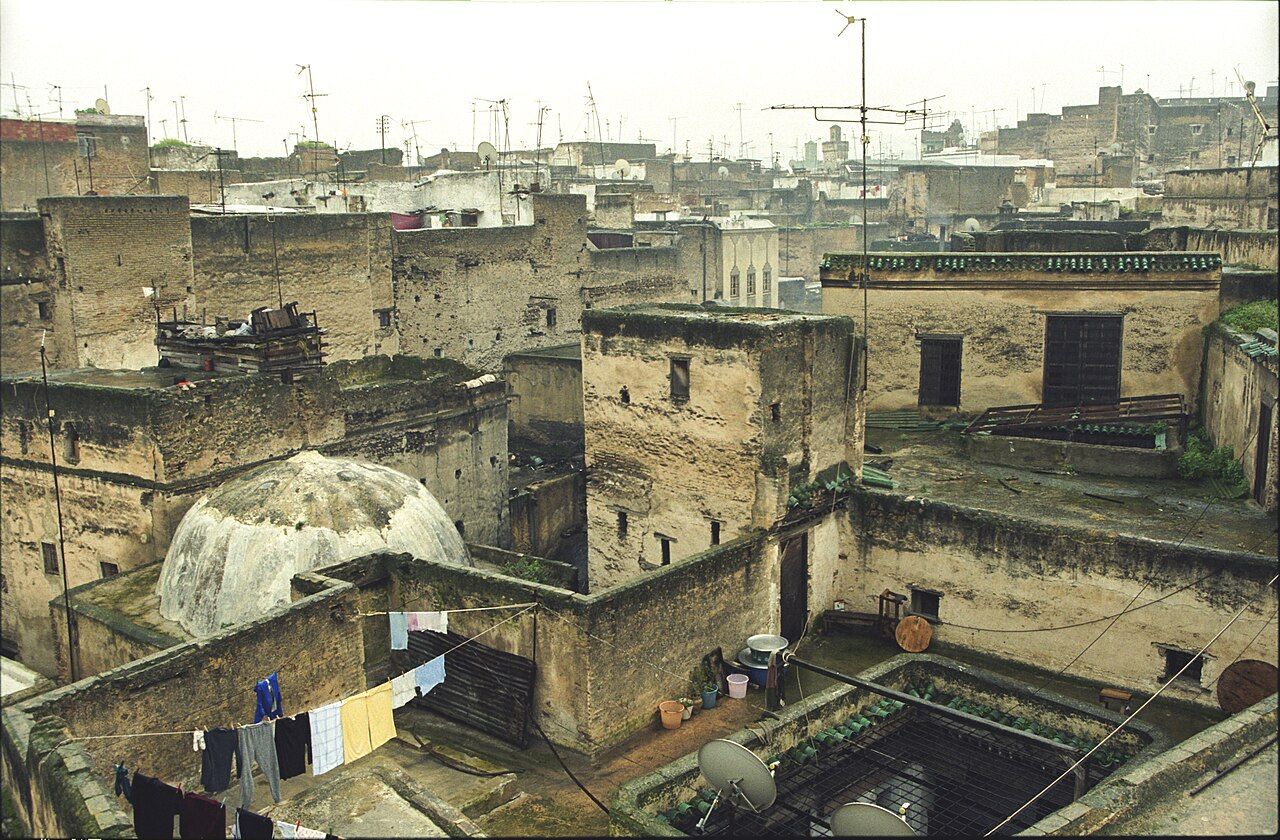
The numbers: three rooms, each hotter than the last; separate hours for men and women at many neighbourhood hammams.
My favourite thing about the hammam is how firmly it belongs to ordinary neighbourhood life.