Heat, alcohol and hot water: the plain facts
A short, unalarmed guide to alcohol, hot water, dizziness, fluid loss and the small habits bathers keep.
- Kind of place
- bathing
- House rule
- no alcohol before the bath
What is worth knowing before getting into hot water or taking a long walk? Not a grand theory of bathing. Just a few cautions, stated plainly, and the habits bathers often keep. Heat does not need a dramatic introduction; the details are quite enough.
Can standing up quickly make you dizzy? Yes. Standing up quickly after a long soak in very hot water or a sauna can cause dizziness. The change from sitting or soaking to standing is the point to treat with a little patience. The water may be the main event, but getting out is part of it too. The caution is about what can happen after a long soak, not a reason to turn the bath into a complicated undertaking.
Why do alcohol and hot water not mix? Drinking alcohol before a hot bath or a sauna raises the risk of fainting. That is the plain reason for keeping them apart; no elaborate explanation is needed. For the sauna side of the question, there is how the Finns take their sauna, though this particular caution is simple enough to travel. Alcohol first and hot water after is not a clever combination.
Are there signs about drinking? Many bathhouses and saunas post signs telling bathers not to use them after drinking alcohol. The wording is a reminder of the same practical point: alcohol before a hot bath or sauna raises the risk of fainting. A sign can be less subtle than a person, which is often why signs get the job. It is a straightforward instruction, and it does not ask for much interpretation.
What do bathers do before standing? They often get out of a hot pool slowly and sit for a moment before standing up straight. It is a small pause, not a ceremony. The habit fits the warning about dizziness after a long soak in very hot water, and it asks very little of anyone except a moment of patience. Standing up can take a moment.
Does heat mean fluid loss? Hot water and steam make people sweat and lose fluid. That is the fact to keep in view, without dressing it up as a promise or a mystery. A hot pool and a sauna are different settings, but both appear in the cautions around heat. For the less grand business of packing for a bath, there is an accompanying note; the details of the bath itself remain the point here.
Close by in spirit: What goes in the bath bag
Who is advised to ask a doctor? Many bathhouses advise pregnant women and people with heart conditions to ask a doctor before using hot pools or saunas. This is specific guidance, not a general invitation to collect opinions on every bath. It belongs on the list because it is advice bathhouses give, and because the wording is clear. For choices around a stay, there is picking a retreat with care.
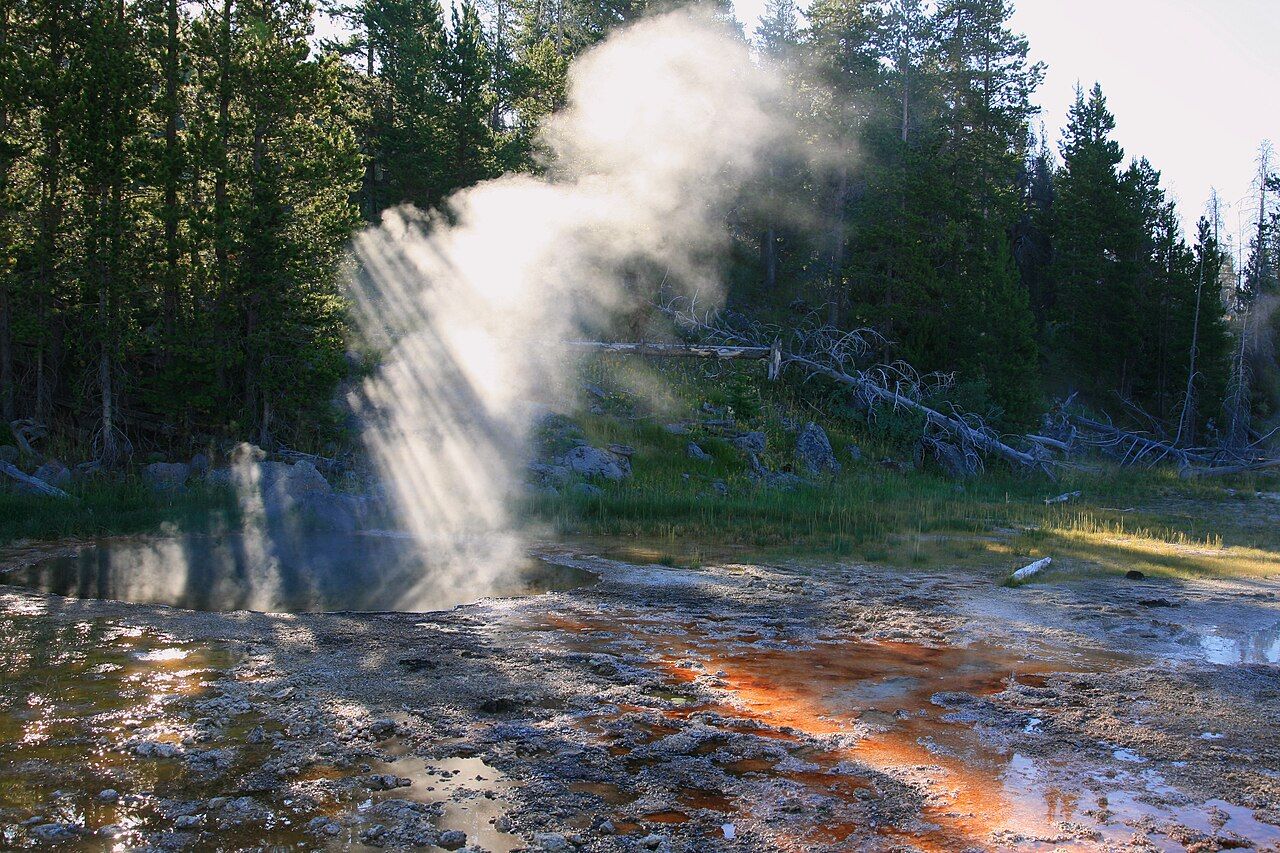
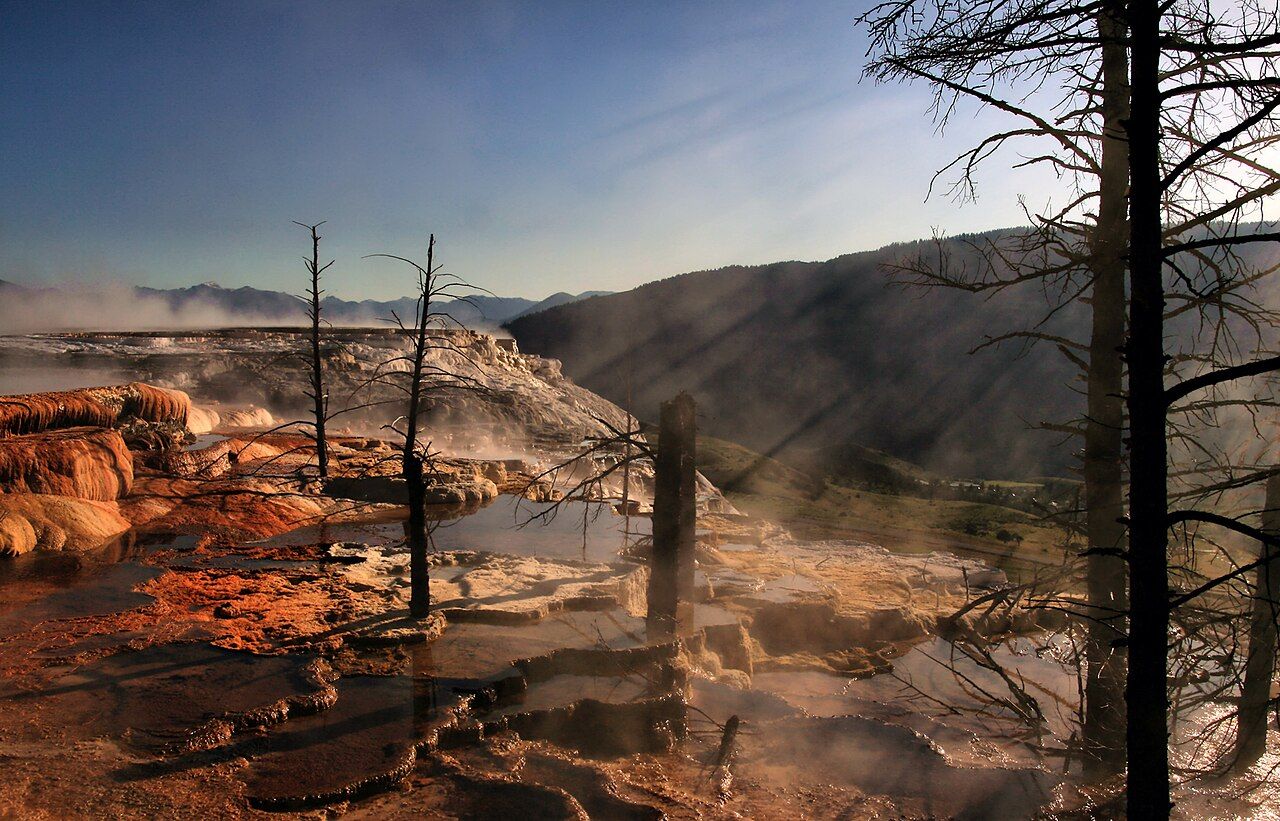
Are all hot springs comfortable to touch? No. Some natural hot springs are too hot to touch and carry warning signs. The useful detail is not complicated: a spring can be too hot for contact, and signs may say so. A different bathing subject is the saltiest bath on earth; not every water question is a temperature question. Here, the instruction is about heat and contact, stated plainly.
What about the long walk? Walkers on long pilgrim routes often get blisters in the first days. That is the walking caution in this short list, and it needs no invented explanation about footwear or distance. Long walks and hot baths are not the same activity; they simply share the rather ordinary fact that bodies can have limits. The first days are worth mentioning, and no grand lesson needs to be attached.
The numbers: bathers often get out slowly and sit before standing; walkers often get blisters in the first days.
My preference is for the least dramatic habit here: take a moment before standing.