Iceland’s town pools, where the hot tub is the town square
Almost every Icelandic town has a geothermal public pool. The hot tubs are for soaking, talking and seeing what the neighbours are saying.
- Kind of place
- public pools
- House rule
- shower without a swimsuit first
- Country
- Iceland
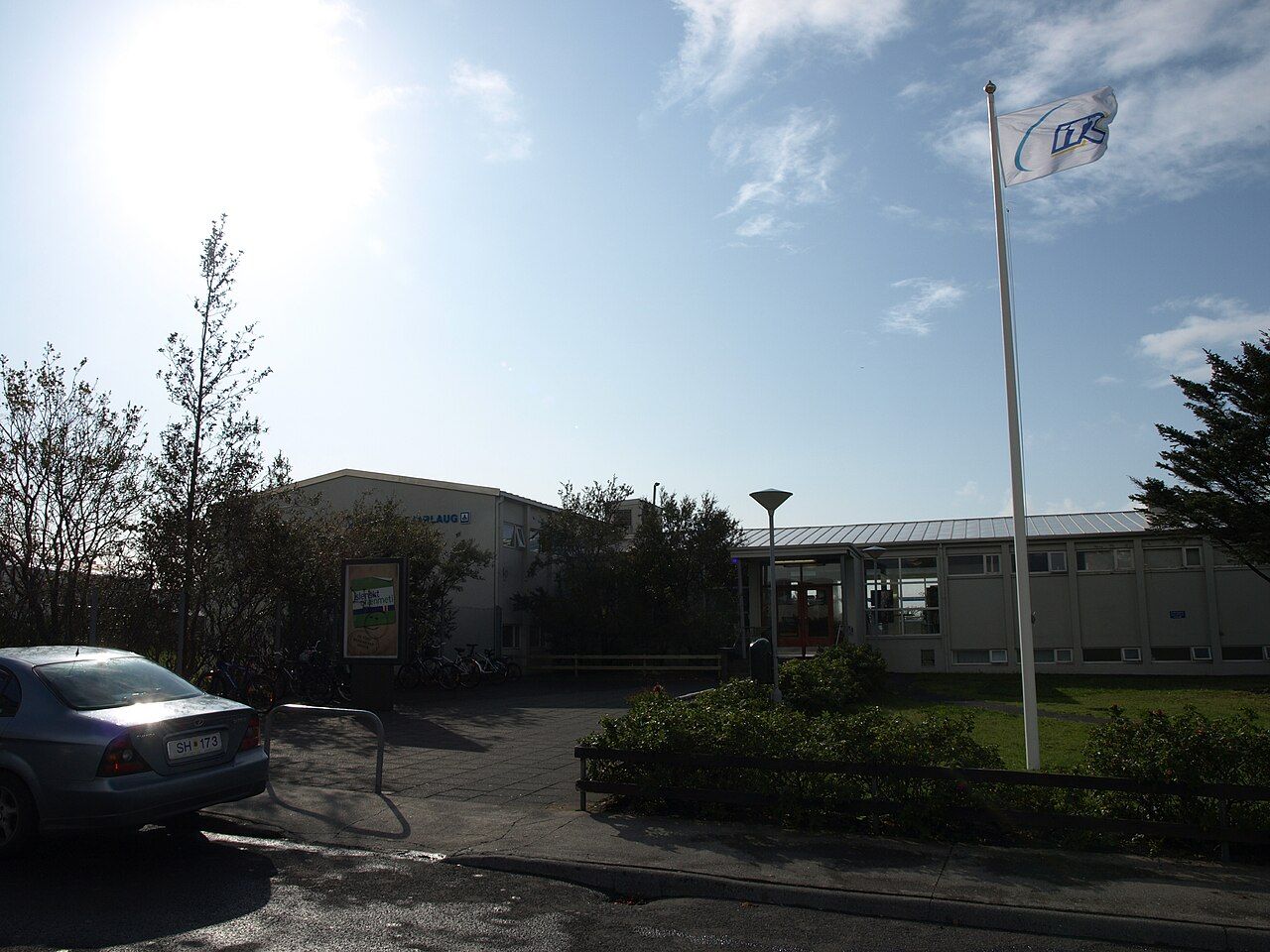
The first stop is the shower. Not the hot tub, not the pool: the shower, without a swimsuit, with a proper wash. This is the ordinary beginning of a visit to an Icelandic public pool, not an elaborate test of character. Almost every town in Iceland has a public swimming pool heated with geothermal water. The pools are part of daily life, and the small piece of etiquette that surprises visitors has a plain explanation: bathers wash before getting into the water. Just follow the rule.
What is the hot tub for? The Icelandic name is heitur pottur, and its job is not only to be hot. It is where many Icelanders meet neighbours and talk. The pool can be the place for swimming; the tub is where conversation gets time to settle in. That is the social heart of the town pool: an ordinary place to sit and talk. There are hot tubs at different temperatures, so the visit may involve choosing a degree of warmth as well as finding a place to sit. The water is warm; the talk is the point.
How hot are the tubs? Often about 38 to 44 degrees Celsius, with different temperatures available at Icelandic pools. That range gives the tubs their own small geography: a visitor can choose a warmer or cooler one, then stay with the choice. It is a useful detail, because “hot tub” can sound like a single, fixed experience. Here, there are options. And if the point is to talk with neighbours, the temperature is a fine opening topic, even if nobody needs to pretend that choosing a tub is a daring expedition.
Why shower without a swimsuit? Because bathers must shower and wash before getting into the water. The rule is direct, and pool attendants watch the showers and will tell visitors who skip the wash. It’s not a puzzle or a local custom that needs decoding: shower first, without a swimsuit, then go to the pool. For a fuller look at this and other bath manners, read the shower rule and other bath manners. The best approach is the least dramatic one. The showers are simply part of how the public pools work.
Are the pools only for grown-ups who want a long soak? No. Swimming lessons are part of compulsory schooling in Iceland, so swimming belongs to ordinary life well beyond the hot tub. That helps explain why a public pool can feel less like a special outing and more like a familiar civic place. There is room for swimming, and there is room for sitting in warm water and talking. The pool is not just a pool in the narrow sense. It is a place where the practical business of learning to swim and the social business of meeting neighbours share the same water.
Which Reykjavík pools are worth knowing by name? Laugardalslaug is the largest public pool in Reykjavík. Vesturbæjarlaug is a neighbourhood pool in the west of the city. Those are two useful names to have in mind, though the larger story is that almost every town in Iceland has a public pool of its own. The City of Reykjavík runs the public pools in the capital and lists them on reykjavik.is. The national tourism board’s site, visiticeland.com, covers pools and hot springs around the country. A town’s pool is not an obscure side note; it is part of the picture.
Does the pool fit a particular kind of day? It doesn’t need much of a plot. The pool offers geothermal water, hot tubs at different temperatures and, often, an unhurried place to talk. Most of the houses in Iceland are heated with geothermal water, so the public pools sit within a wider everyday use of it. That makes the hot tub feel less like a novelty and more like an extension of ordinary life. For a different sort of soak, there is a hot river you have to walk to. The pool’s appeal is simpler: arrive, wash, get in, and let conversation do what it does.
Are the pools only for daylight hours? Many Icelandic pools stay open late into the evening all year round. That makes the pool a possible part of an ordinary day rather than an event that needs to be built around a narrow window. The hot tub is still the draw for the social side: a place to meet neighbours and talk, with warm water underneath the conversation. If winter bathing has its own appeal, see steaming in the snow. For a different landscape of bathing, there is another story.
The hot tub is where the town’s conversation goes to sit down.
The hot tub is where the town’s conversation goes to sit down.
The numbers: almost every Icelandic town has a public pool; hot tubs are often about 38 to 44 degrees Celsius; many pools stay open late into the evening all year round.
Close by in spirit: Pamukkale: barefoot on the white terraces