How to choose a retreat you will not regret
Retreats can be run in very different ways. Ask who teaches, what the programme requires, and what the terms say before a promise starts doing the talking.
- Kind of place
- planning
- House rule
- beware of big promises
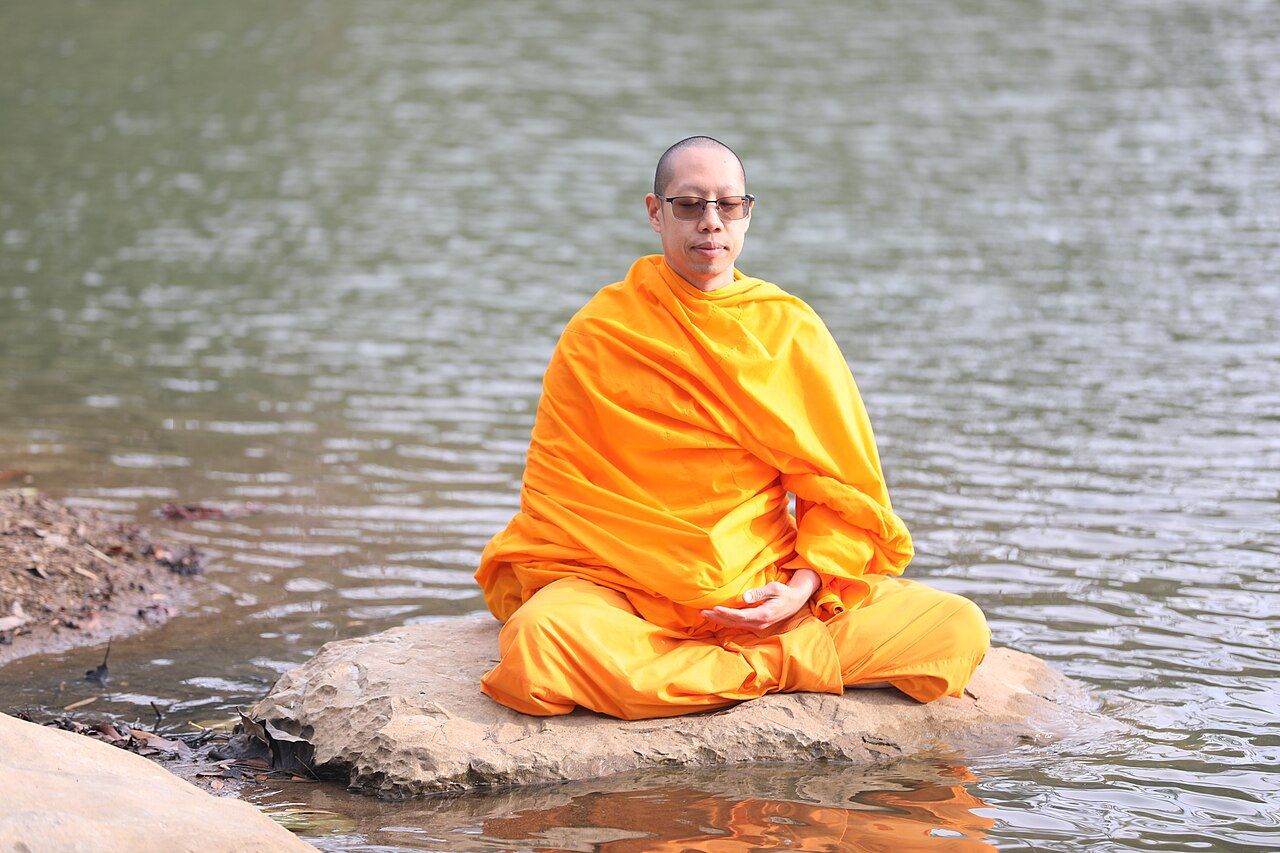
Is every retreat run the same way? No. Retreats and courses vary widely in how they are run and who teaches them. The word “retreat” does not tell a visitor what a programme includes, or how it will be led. Ask what the programme involves and who is teaching it. A clear answer is more useful than a soothing name for the experience.
What should a large promise about health suggest? Caution. Large promises about what a retreat will do for health are a warning sign. A promise may sound more appealing than a plain description of the programme; that is rather the point. Look at what is actually being offered, not only what is said it will do. Big claims are not a substitute for details.
How can a visitor ask about a teacher’s background? Ask where, and from whom, the teacher learned. Reputable teachers in established traditions usually say. If learning and lineage matter to the programme, a straightforward account should be possible. The courses described in the yoga courses of the Ganges valley offer a place to continue thinking about teaching and tradition.
What if a programme tells people to stop taking prescribed medicines? Treat that as a serious warning sign. This is not a small difference in teaching style or a preference about the day’s schedule. A programme that gives this instruction has crossed a line worth taking seriously. No promise about a retreat makes that instruction less concerning.
Could food be part of the programme’s rules? Yes. Some retreat programmes include fasting or very restricted diets. Ask what is required, rather than assuming that meals will be ordinary or unrestricted. The detail matters: “a retreat programme” can mean quite different things, and food rules are one of them. The word “some” is doing useful work here.
Will guests keep their phones? Not necessarily. Some retreats ask guests to hand in their phones for the length of the stay. That can be part of the arrangement, so it is worth knowing in advance rather than discovering it after arriving. For a closer look at one such day, read the day on a silent course.
Is there pressure to sign up for more once the programme begins? Pressure to sign up for longer or more expensive programmes on arrival is a warning sign. The initial decision and the offer made at the door are not the same decision. Take note of whether a longer stay or higher cost is being presented as a choice, or pressed as an expectation.
What should a visitor learn from the stated conditions? Cancellation terms differ widely, and they are set out in the conditions. Read those terms as part of understanding the commitment. Travel insurance policies also differ in whether they cover activities such as long fasts or remote treks. A policy that covers one kind of trip may not cover another; the activity matters.
Close by in spirit: Bath manners, country by country
The numbers: none here; for another story about a practice, read a Mexican sweat ceremony.