St Cuthbert’s Way: the last morning to Holy Island
A walk of about 100 kilometres ends with a crossing over the sands. On the final morning, low tide—not the itinerary—sets the terms of arrival.
- Kind of place
- long walk
- House rule
- time the last crossing to the tide
- Country
- United Kingdom
Melrose
What decides the final morning of St Cuthbert’s Way? The tide, which is a firm answer from a landscape not usually known for its punctuality. The walk runs about 100 kilometres from Melrose in the Scottish Borders to Lindisfarne in Northumberland. Its last stretch crosses the sands to Holy Island, the island at the end of the walk, and that crossing can only be done at low tide. The day’s plan has an unusually clear editor.
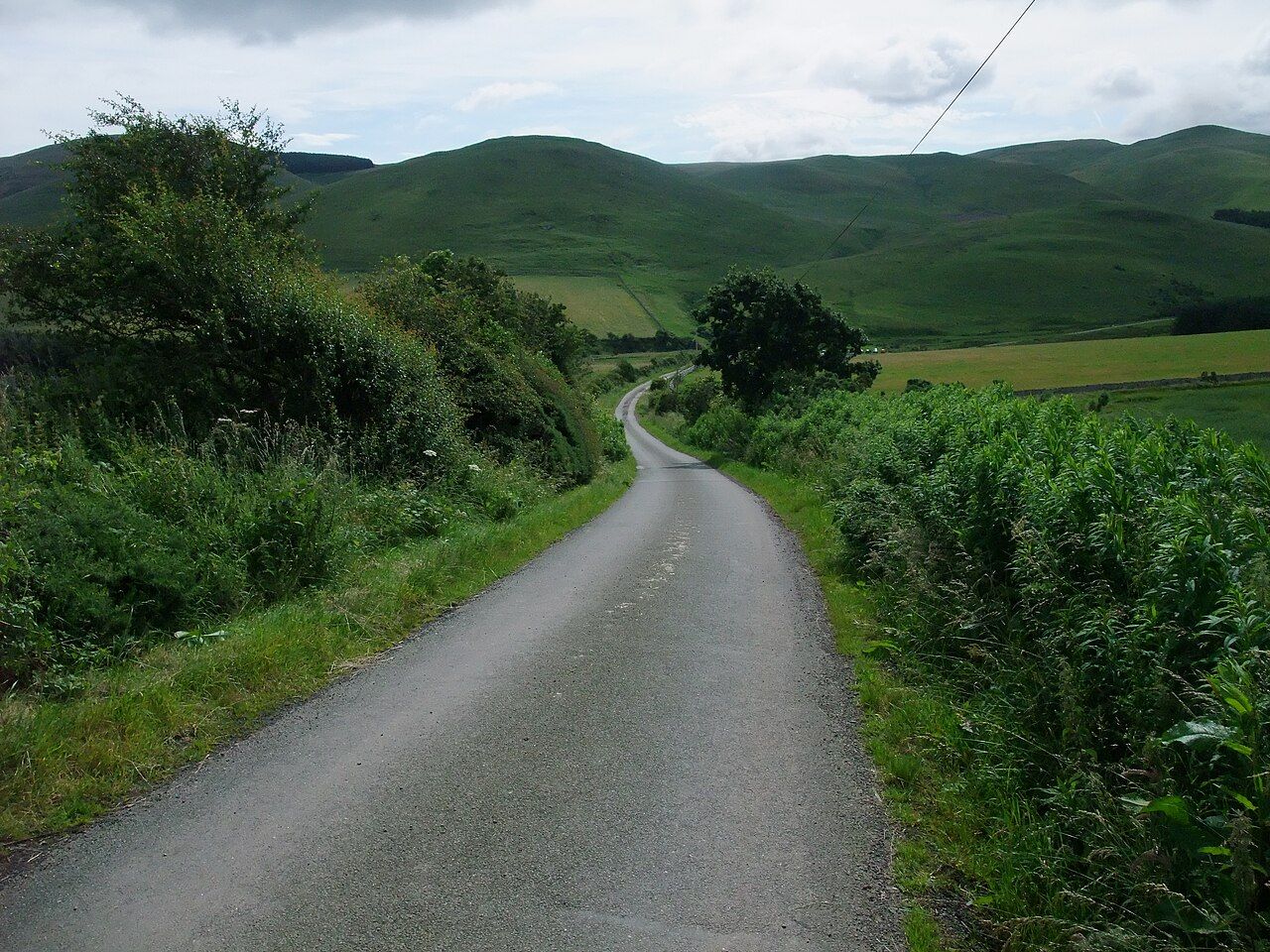
What is the morning carrying into this last stretch? The whole walk, for a start. It begins beside the ruins of Melrose Abbey, climbs over the Eildon Hills soon after leaving Melrose, then crosses the Cheviot Hills and the border between Scotland and England. Saint Cuthbert began his religious life at Melrose and later became bishop of Lindisfarne. The route’s two ends are joined by that life, and by a great deal of walking in between.
Is this a quick approach to the coast? Not quite. Most walkers take four to six days to complete the route. That makes the final morning a small event with a long lead-in: the legs have already done their share, while the tide keeps its own schedule. I like a walk that makes the arrival feel earned, though it is less accommodating than a calendar.
The Cheviot Hills
What belongs to midday? The useful question is not how many kilometres remain, but whether the last crossing fits the low tide. The facts are delightfully blunt here: the sands are passable only at low tide. No motivational speech improves on that. The final stretch is the point at which a walking plan meets a natural limit, and the limit does not care how neatly the earlier days were arranged.
Does the route become a different kind of walk at the end? It becomes a crossing, at least. Until then, the way has travelled through hills and over a national border; here, the route carries on across sand. The surface itself gives the story its finish: not a doorway, not a road, but ground that belongs to the passage only at low tide. That is a tidy piece of drama, supplied without any help from a guidebook voice.
How should a walker think about the wait implied by the tide? As part of the route, rather than an inconvenience added by poor planning. The low tide decides when the crossing can happen, and that in turn decides when arrival is possible. There is no clock time in the story that can be promised to every final morning. The practical answer is simply to let the tide lead this part of the itinerary.
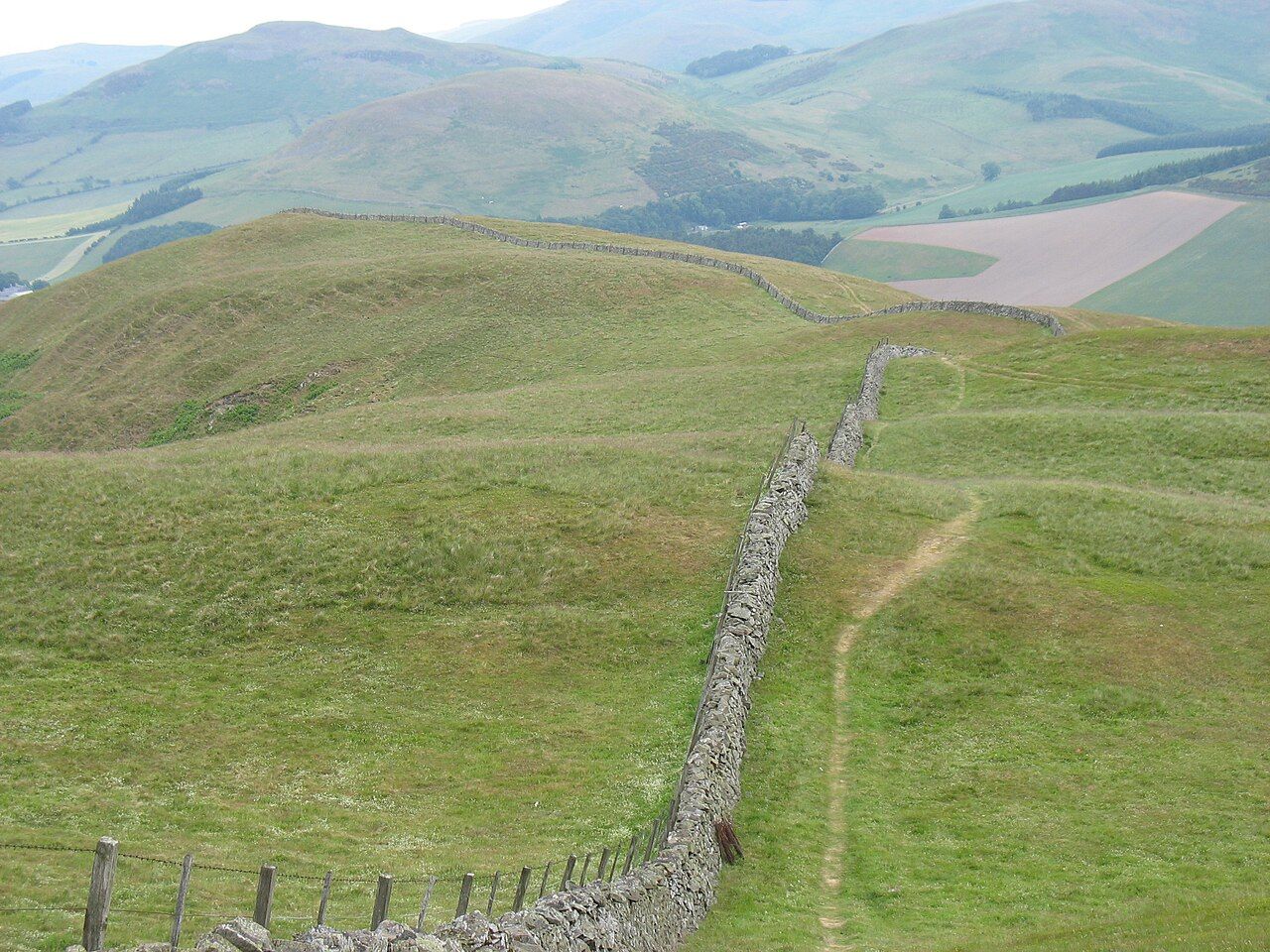
Holy Island
What does late afternoon look like in this itinerary? It depends on when low tide comes; the route offers no universal hour for the crossing. If the tide allows it, the sands are the final stretch to Holy Island. If the timing falls elsewhere in the day, then the day’s outline has to follow. A walk ending at a crossing makes a persuasive case for leaving a little room in one’s idea of punctuality.
Is the destination only a finish line? No: Lindisfarne is also where Saint Cuthbert later became bishop. That gives the walk a quiet sense of return, though the route itself is not a loop. For a different scale of pilgrimage, there is a much longer pilgrim walk in Italy; here, the last question is beautifully local to this route: when is the tide low?
Close by in spirit: The Black Forest National Park, left to grow wild
What remains after the crossing? The feeling of having reached the end by a route that does not quite let anyone dictate the terms. The sands are not a decorative flourish; they are the way across, and the tide is part of the itinerary whether or not it appears in the day’s preferred schedule.
The numbers: about 100 kilometres; four to six days; opened in 1996.
My favourite kind of finish is the one the landscape gets to time.