The Black Forest National Park, left to grow wild
A walk through woods left to regrow, with a dark lake nearby and the northern Black Forest doing things at its own pace.
- Kind of place
- forest walk
- House rule
- keep to marked paths in the wild zone
- Country
- Germany
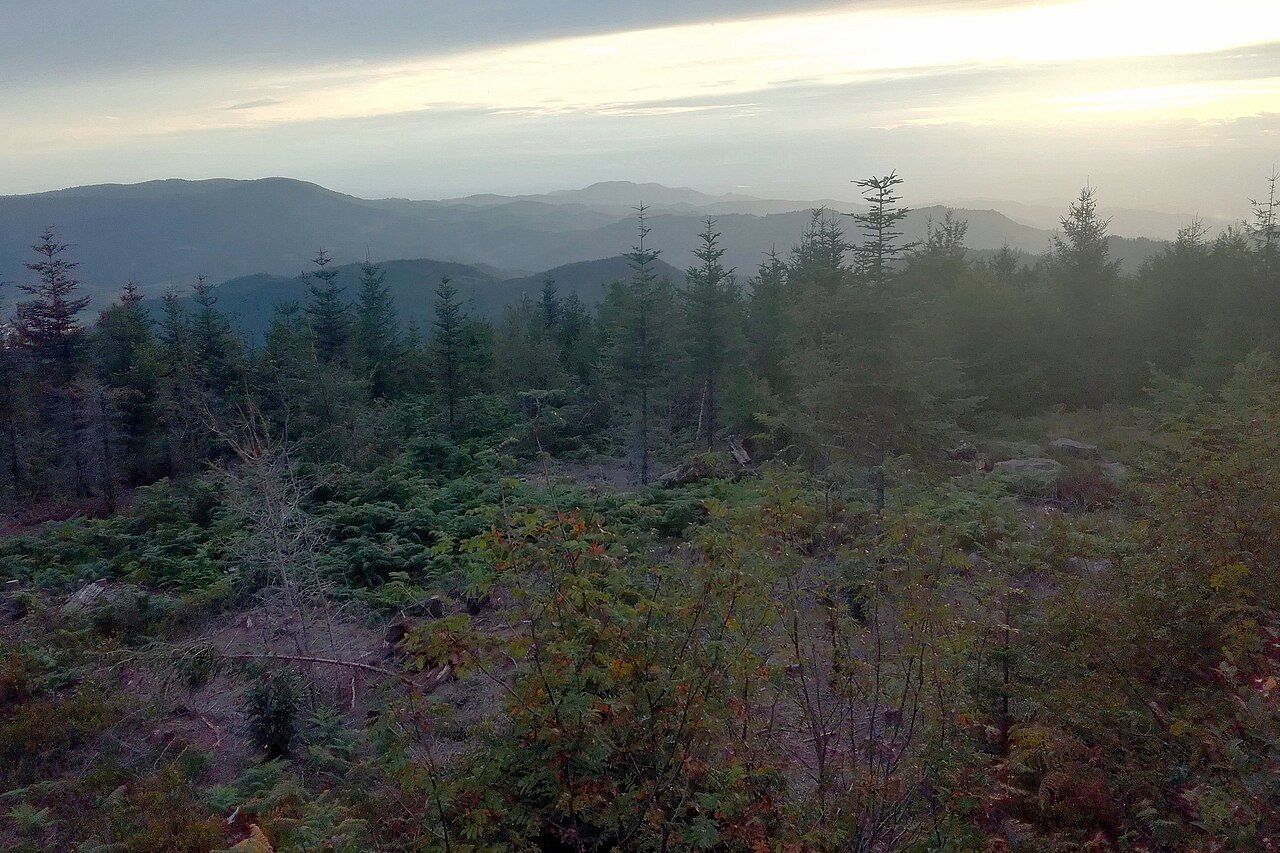
What does a forest look like when it is allowed to change on its own? In the northern Black Forest, the answer is not especially tidy. That is part of the point. The park’s paths lead through storm-felled woods and towards a dark lake, with plenty of room for the visitor to practise not expecting a landscaped finish.
Why visit this national park? Founded in 2014, it was the first in Baden-Württemberg and covers about 10,000 hectares in the northern Black Forest. Large parts are left without forestry, so the forest can change on its own. That makes the park less a display of a finished landscape than a place where the unfinished version gets to stay. I have a strong preference for landscapes that are not trying to look newly combed.
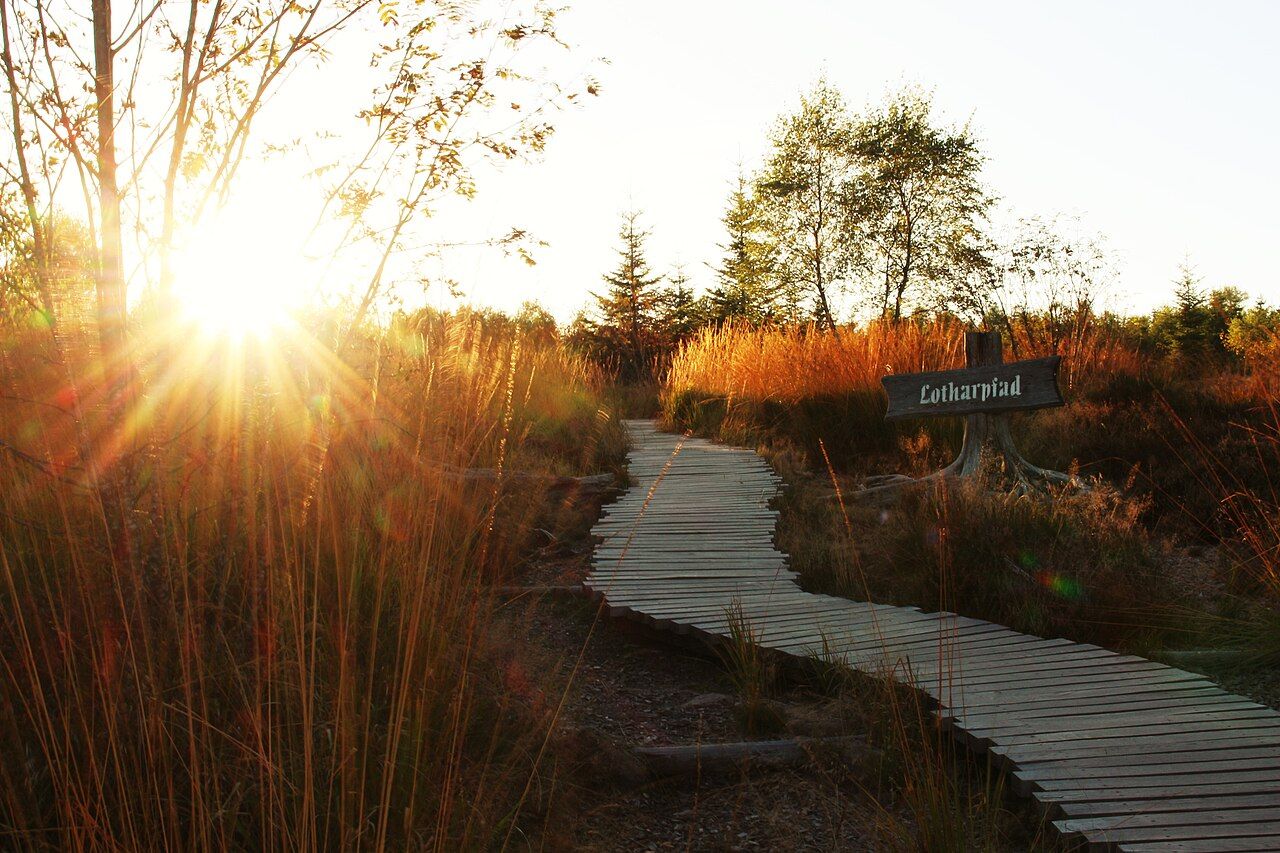
What is the Lotharpfad? It is a trail through a stretch of forest felled by Storm Lothar and left to regrow. Lothar knocked down large areas of forest in the northern Black Forest in December 1999. The walk puts that history directly underfoot, without dressing it up as a neat before-and-after story. Trees fell; the forest was left to grow back. The plainness of that arrangement is more interesting than a polished account of recovery.
Why walk through a place that was knocked down? Because a forest in the act of changing gives the eye something other than a wall of identical trunks. The Lotharpfad’s appeal is in seeing the effects of a storm beside the fact of regrowth. There is a useful quiet in that idea, though the landscape itself need not be quiet to make the point. A walk can be a walk, not a test of how quickly someone can turn every view into a lesson.
Where does the ridge road fit in? The national park’s visitor centre stands at Ruhestein, on the Black Forest High Road. The B500 runs along the ridge from the spa town at the foot of the ridge to Freudenstadt. That gives the park a clear line on the map and a good deal of ridge to place it against. The road is there; the useful question is what happens after the landscape stops being something seen through a window.
Is there a lake in the story? The Mummelsee is a small lake near the national park, linked in legend with water sprites. It brings a different mood from the open account of storm damage: dark water, old stories, and the mild suspicion that lakes are perfectly happy to keep their own counsel. The forest walk and the lake make a pleasing pair. One is busy becoming something else; the other declines to explain itself.
How should the walk be planned? The park's visitor pages cover trails and ranger walks. That is the practical starting point for choosing a route through the landscape, rather than assuming the whole park is one long version of the Lotharpfad. The visitor centre at Ruhestein gives the park a named point on the ridge, while the trails offer ways to meet its different parts. A little planning is less romantic than getting lost, and usually more useful.
For another forest story, read about the Japanese idea of forest bathing.
Close by in spirit: The Kumano Kodo, shrine to shrine
The numbers: founded in 2014; about 10,000 hectares; Storm Lothar struck in December 1999.