The Kumano Kodo, shrine to shrine
A walk through the Kii Peninsula’s pilgrimage routes, with the Nakahechi trail as the thread: about 38 kilometres, two or three days, and hot spring villages near Hongū.
- Kind of place
- pilgrimage
- House rule
- bow at the shrine gates
- Country
- Japan
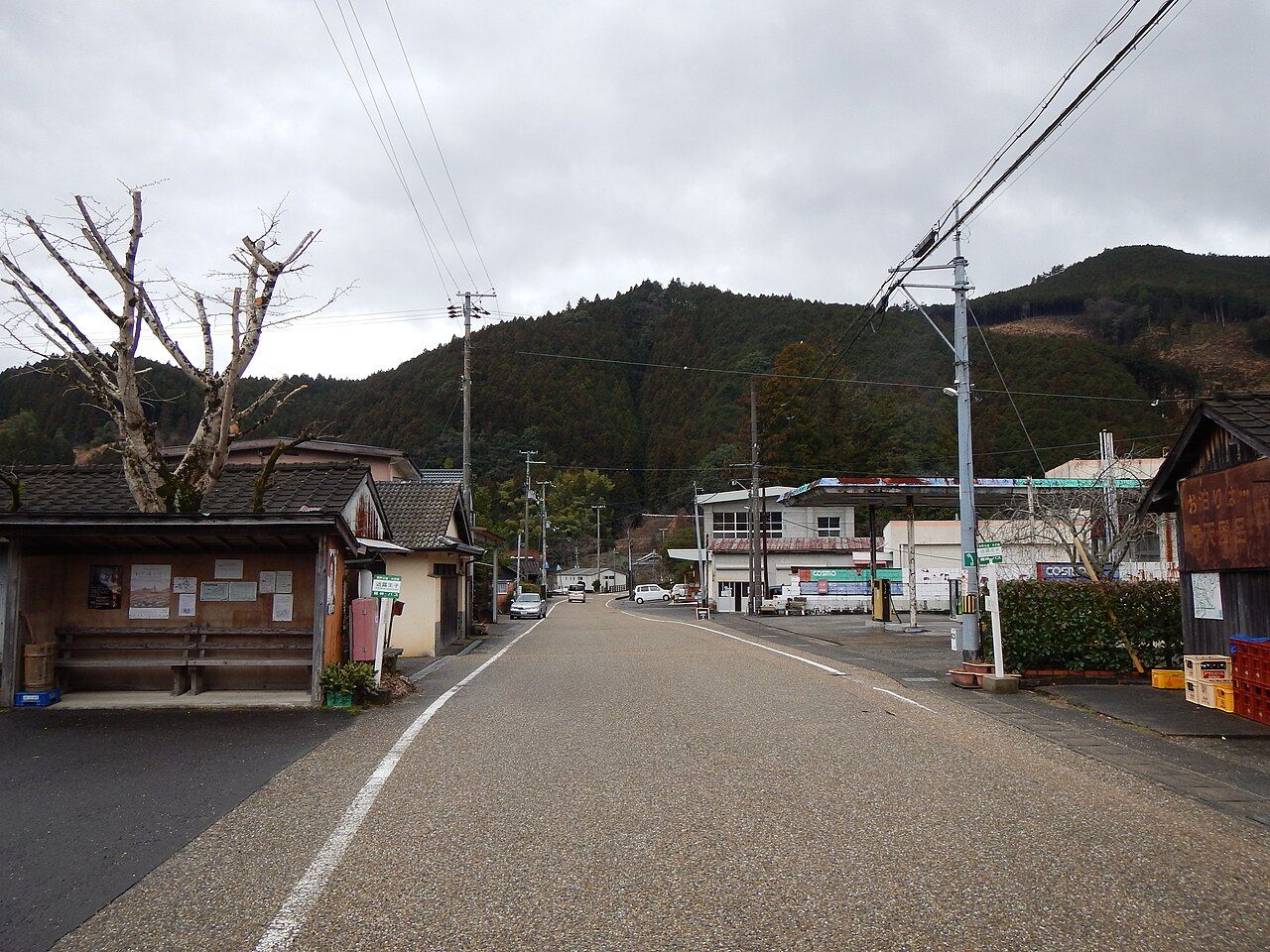
A pilgrim’s story can begin with a small act: a bow at a shrine gate. It is an unshowy beginning, which suits a route where the point is not to arrive looking accomplished. The Kumano Kodo crosses the Kii Peninsula in Wakayama, Nara and Mie prefectures, and the Nakahechi offers a way to follow it shrine to shrine, over two or three days.
Where does the walk begin? The Nakahechi runs from Takijiri-ōji to Kumano Hongū Taisha, about 38 kilometres in all. That is enough distance to give the days some shape without pretending that a pilgrimage is just a walk with a more serious name. The small subsidiary shrines called ōji stand along the Kumano Kodo; their presence makes the route feel like a sequence of places to pause, rather than a line to hurry along. A pilgrim can bow at the shrine gates, take a breath, and carry on. There is no prize for looking brisk.
Why this route? The Kumano Kodo is a network of pilgrimage routes across the Kii Peninsula, and part of the World Heritage site of the Sacred Sites and Pilgrimage Routes in the Kii Mountain Range. The Nakahechi gives this larger story a clear walking thread: from Takijiri-ōji to Kumano Hongū Taisha. The name of the route may sound like a plan already made, but the useful thing is simpler. There is a start, a shrine at the far end, and enough walking between them to let the day occupy itself. The rest can be left to the feet.
Is this an isolated bit of pilgrimage lore? Not quite. The Kumano Kodo and the Camino de Santiago are the only two pilgrimage routes inscribed as World Heritage sites, and they have been twinned as sister routes since 1998. The connection is a reminder that walking to a sacred place is not an idea confined to a single landscape. Still, the two routes do not need to be made interchangeable. For a taste of the other one, there is the walk to Santiago; here, the journey belongs to the Kii Peninsula and its own shrines, hills and pauses.
What is there at the far end of a walking day? Near Hongū, hot spring villages give the Nakahechi a gentler sort of punctuation. A two- or three-day walk can be framed around arriving, putting down the effort of the day, and letting the idea of a hot bath take up a little space in the mind. The details of the route need not be dressed up as an expedition. There is a particular pleasure in a day with a destination, followed by somewhere to stop. Read about the hot spring villages near Hongū for that part of the journey. The walk is the main event; the thought of warmth is a good supporting character.
Does the Nakahechi include all the Grand Shrines? The three Grand Shrines of Kumano are Kumano Hongū Taisha, Kumano Hayatama Taisha and Kumano Nachi Taisha. The Nakahechi runs to Hongū, so it is useful not to fold the whole network into a single itinerary just because the names belong together. Kumano Nachi Taisha has Nachi Falls beside it, dropping about 133 metres. The scale of that fall is easy to grasp as a number and harder to hold in the body; a person can look up, hear the water, and let the measuring be someone else’s job.
Who made this journey before modern walkers started comparing routes? Retired emperors made pilgrimages to Kumano many times, from the 10th century through the 13th. That history gives the word pilgrimage a long shadow, though it need not make a present-day walk solemn from breakfast onward. A route can hold centuries of devotion and still contain the ordinary matters of distance, tired legs and a welcome pause. The small ōji along the way make the journey feel less like a single grand arrival and more like a chain of attentions. The path asks for the next step, not a speech.
How much planning does the story need? Enough to know that the Nakahechi is about 38 kilometres from Takijiri-ōji to Kumano Hongū Taisha, and that the larger Kumano Kodo runs across three prefectures. Beyond that, the most appealing plan is a modest one: walk, pause at the shrine gates, and leave room for the hot spring villages near Hongū. Visit Wakayama covers the Kumano Kodo routes. Those drawn to another pilgrimage in Japan can also read about a longer Japanese pilgrimage; the Kumano Kodo’s own pleasure is its combination of a defined route and a destination that does not need embellishment.
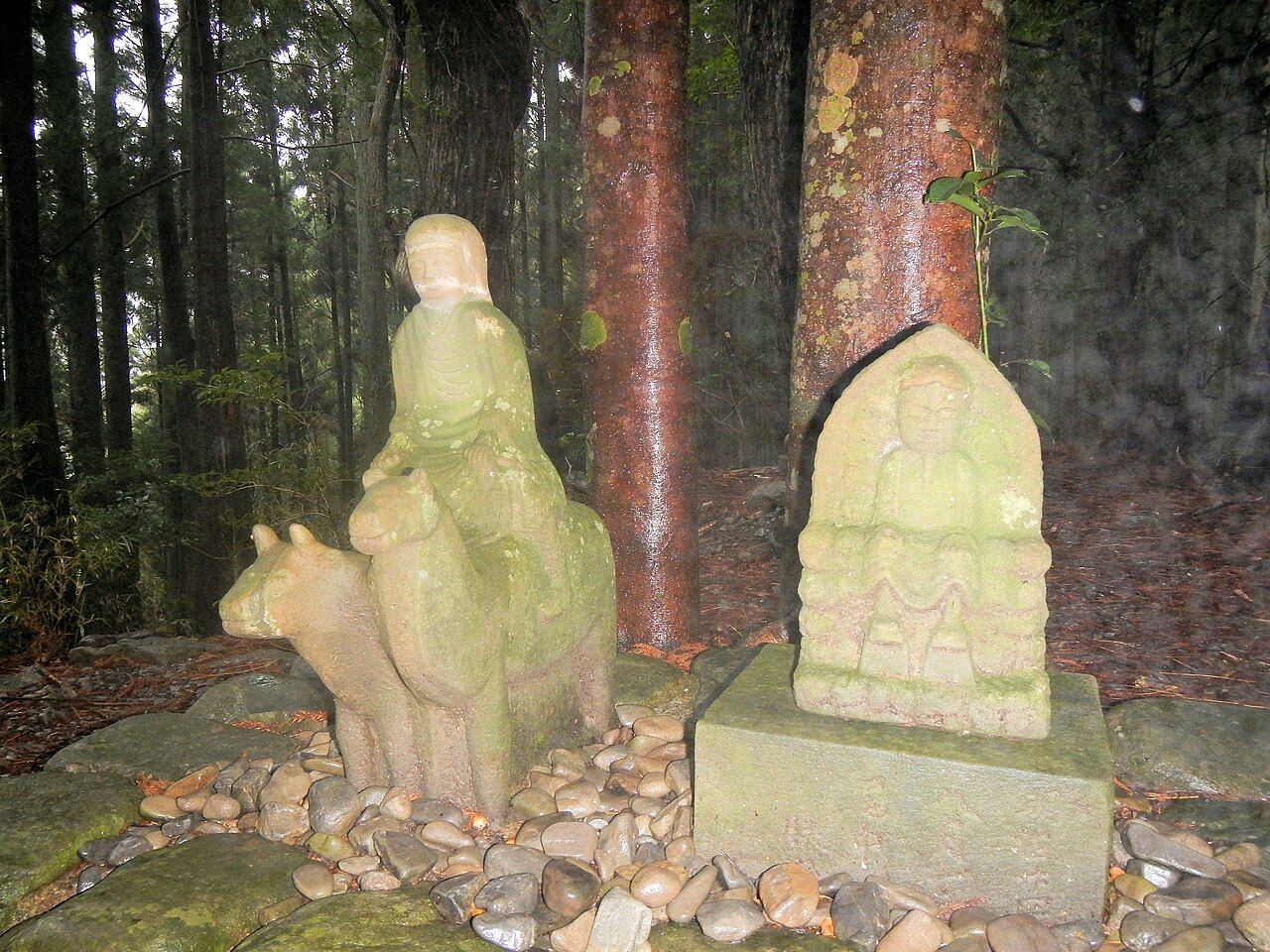
The Kumano Kodo is at its best as a walk with room for reverence and a warm ending.
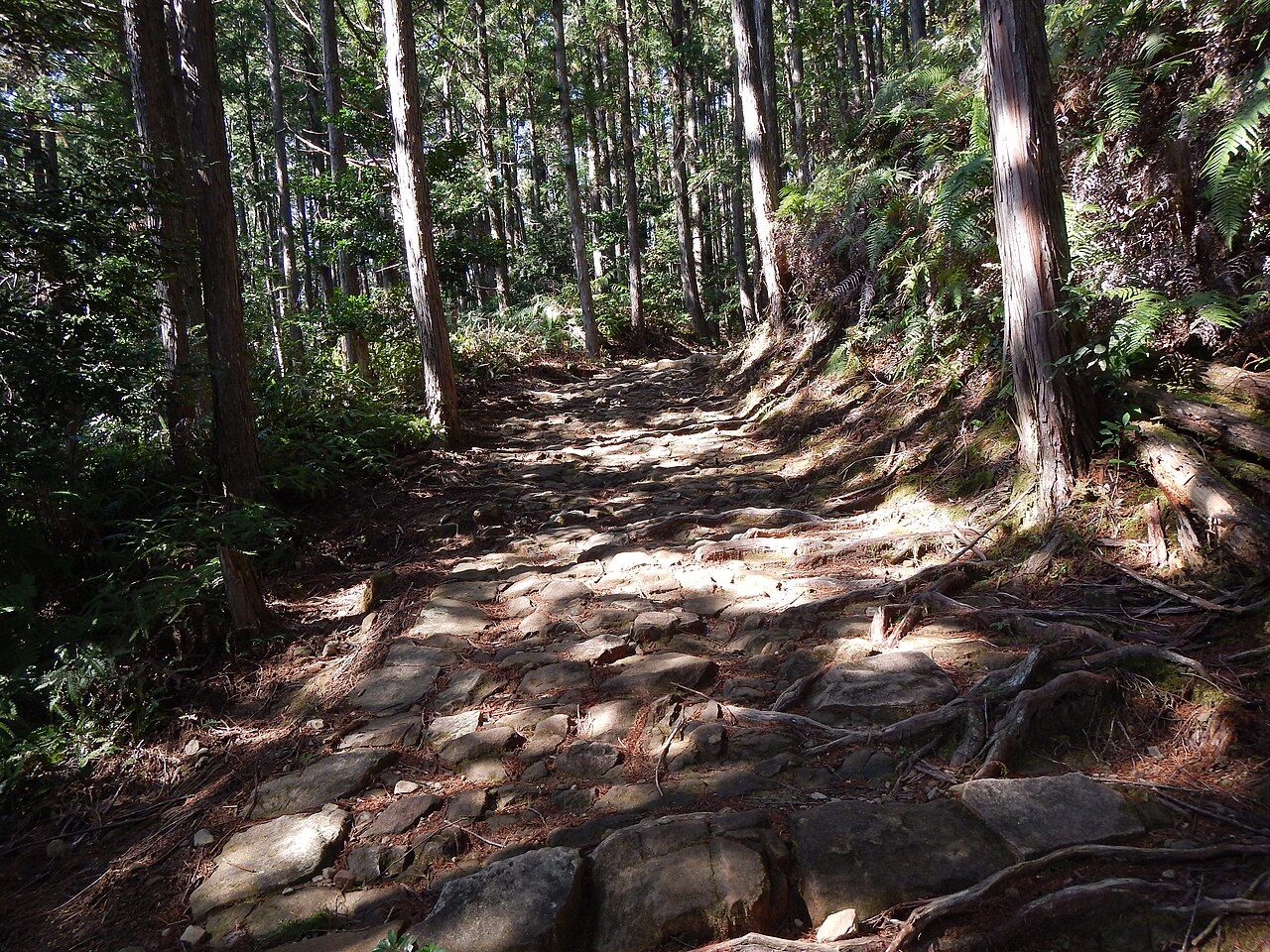
The numbers: about 38 kilometres on the Nakahechi; about 133 metres at Nachi Falls.
The path asks for the next step, not a speech.
Close by in spirit: The Via Francigena through Tuscany, one slow question at a time