Bodh Gaya, the place of awakening
At dawn in Bihar, the Mahabodhi Temple anchors a pilgrimage of clockwise steps, shoes left outside and monasteries built by Buddhist communities.
- Kind of place
- pilgrimage
- House rule
- walk clockwise
- Country
- India
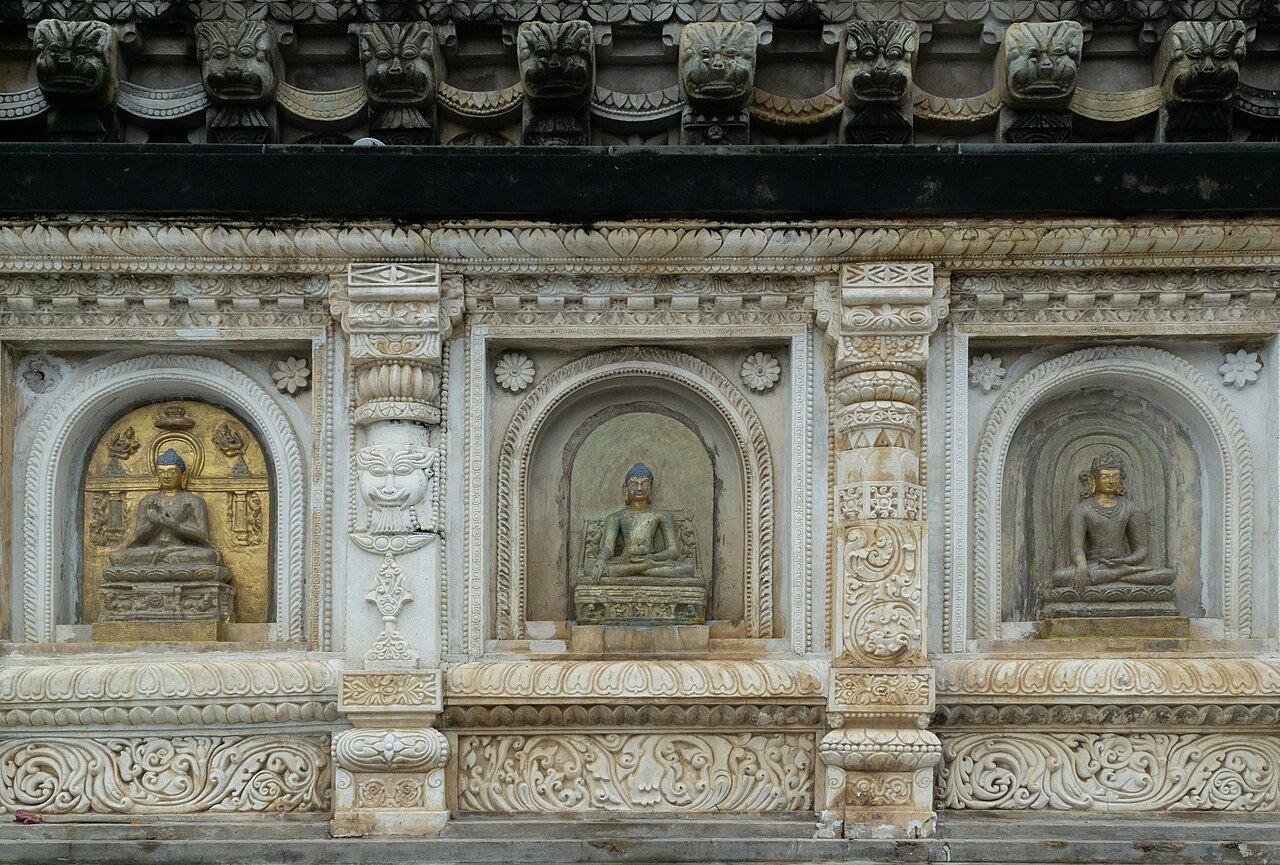
Bodh Gaya
What is the point of beginning at dawn? In Bodh Gaya, it is a way to put the Mahabodhi Temple first: a place where a story of awakening and the practical details of a visit meet.
What happened beneath the bodhi tree? Buddhists hold that Siddhartha Gautama attained enlightenment here. The tree at the Mahabodhi Temple is believed to descend from the original. Belief is the centre of the visit; the traveller’s job is mostly to make room for it.
What makes the temple more than a landmark? UNESCO added the Mahabodhi Temple Complex to its World Heritage list in 2002. Its history reaches back to the first temple, built by the emperor Ashoka in the 3rd century BC. The present temple dates from the 5th or 6th century AD. Even a concise timeline has a way of quieting the urge to rush.
How should pilgrims move around the temple? They walk clockwise around it. Shoes are left outside the inner grounds. These are simple instructions, which is a relief: travel has enough opportunities to make an easy thing needlessly complicated.
Why are there monasteries from different Buddhist communities in town? Buddhist countries including Thailand, Japan and Bhutan, as well as Tibet’s exile community, have built monasteries in Bodh Gaya. They give the pilgrimage a wider frame than the temple alone. For another setting of practice, there is meditation in a Thai temple.
What does a visit ask of a traveller? Attention, and a willingness to follow the customs of a pilgrims’ place rather than treating it as a backdrop. Bodh Gaya lies in Bihar, in eastern India; the story at its centre is much larger than a morning’s itinerary. For another story about practice and place, continue with the yoga town upriver on the Ganges.
Close by in spirit: What a silent retreat is really like
The numbers: 2002; 3rd century BC; 5th or 6th century AD.