What a silent retreat is really like
A day in a ten-day meditation course, from the wake-up bell to lights out: the long sessions, the rules and the parts that can feel hard.
- Kind of place
- meditation
- House rule
- no talking for ten days
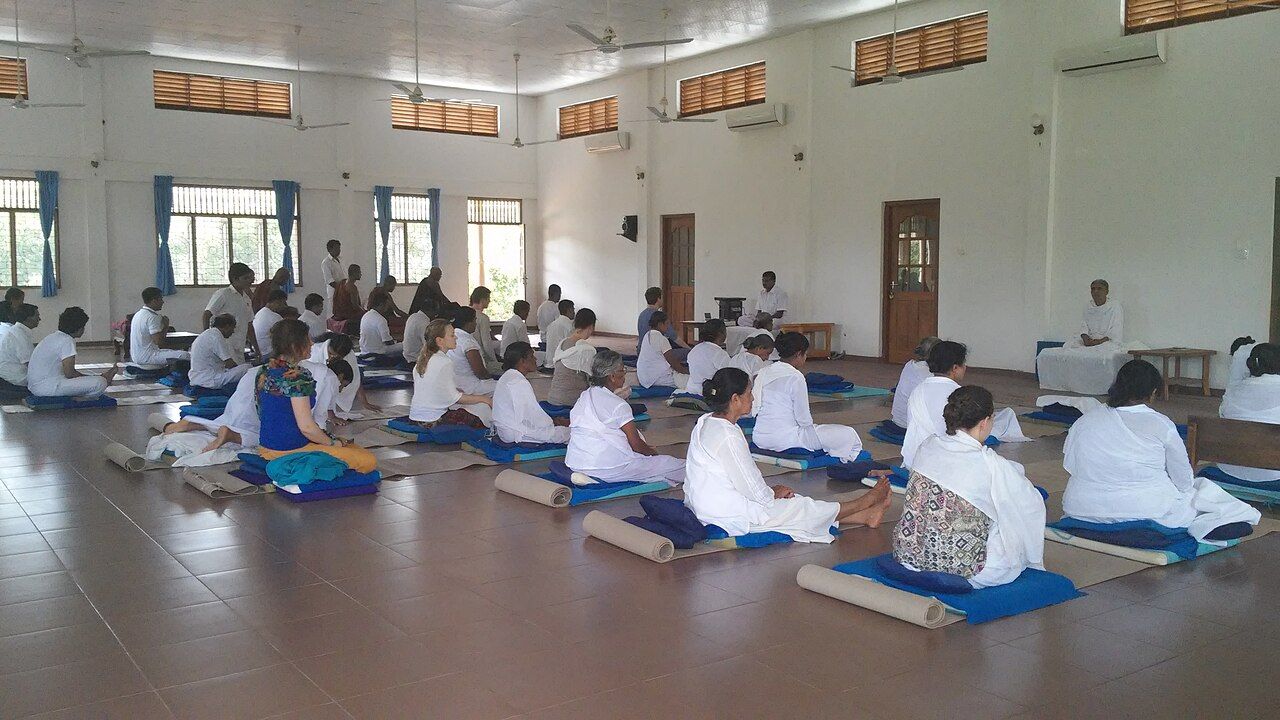
What does a silent meditation course actually ask of a day? On many ten-day courses, the answer is a great deal of sitting, a small amount of food and no conversation to break up the hours. It sounds simple. Simple can still be demanding.
What happens at 4 a.m.? On many ten-day courses, a wake-up bell rings at about 4 a.m. That is the start of the day, not a test of whether anyone feels cheerful before dawn. The course begins early; the mind may take longer to arrive.
What comes after the bell? Meditation, in sessions through the day. Participants on many silent courses sit for about ten hours in total. The sessions break up the time, but not the central fact of it: a large part of the day is spent sitting and returning attention to the practice. It would be dishonest to call this restful every minute.
What does silence mean here? On many courses, participants agree not to speak, write, read or use phones for the whole course. Many call this noble silence: silence of speech, gesture and eye contact. It is not simply a request to keep the volume down. There are fewer ordinary ways to ask a question, fill a pause or signal that a moment has become awkward. A person can discover that a surprising amount of daily life is made of small exchanges.
Why can the long middle of the day feel difficult? There are about ten hours of meditation to sit through, divided into sessions, and the usual distractions are deliberately absent. For some, the lack of conversation is a relief; for others, it makes the day feel longer. Neither reaction needs dressing up as a revelation. Sometimes sitting is just sitting, and the next session still arrives.
What is the evening meal? On many silent courses, the evening meal for returning students is fruit and tea, or nothing. That is a plain arrangement, not a restaurant review. Tea has its warmth; fruit has its own texture; and neither turns a long day into a short one. Men and women are kept apart on many silent courses, another part of the course’s structure rather than an incidental detail.
What should be considered before applying? Application forms for many silent courses ask about mental-health history. Some courses advise people with certain mental-health conditions not to attend. These are important questions to take seriously, not fine print to skim past on the way to imagining a quieter version of ordinary life. The experience is intensive by design, and silence is not a substitute for individual advice.
And at lights out? The day closes without the usual chance to talk it over, read a little or check a phone: those are among the things many participants have agreed to leave aside for the whole course. For another kind of meditation setting, there is the town on the Ganges known for yoga and the forest temples of northern Thailand. They make useful reading; this course, meanwhile, keeps its attention on the next sitting.
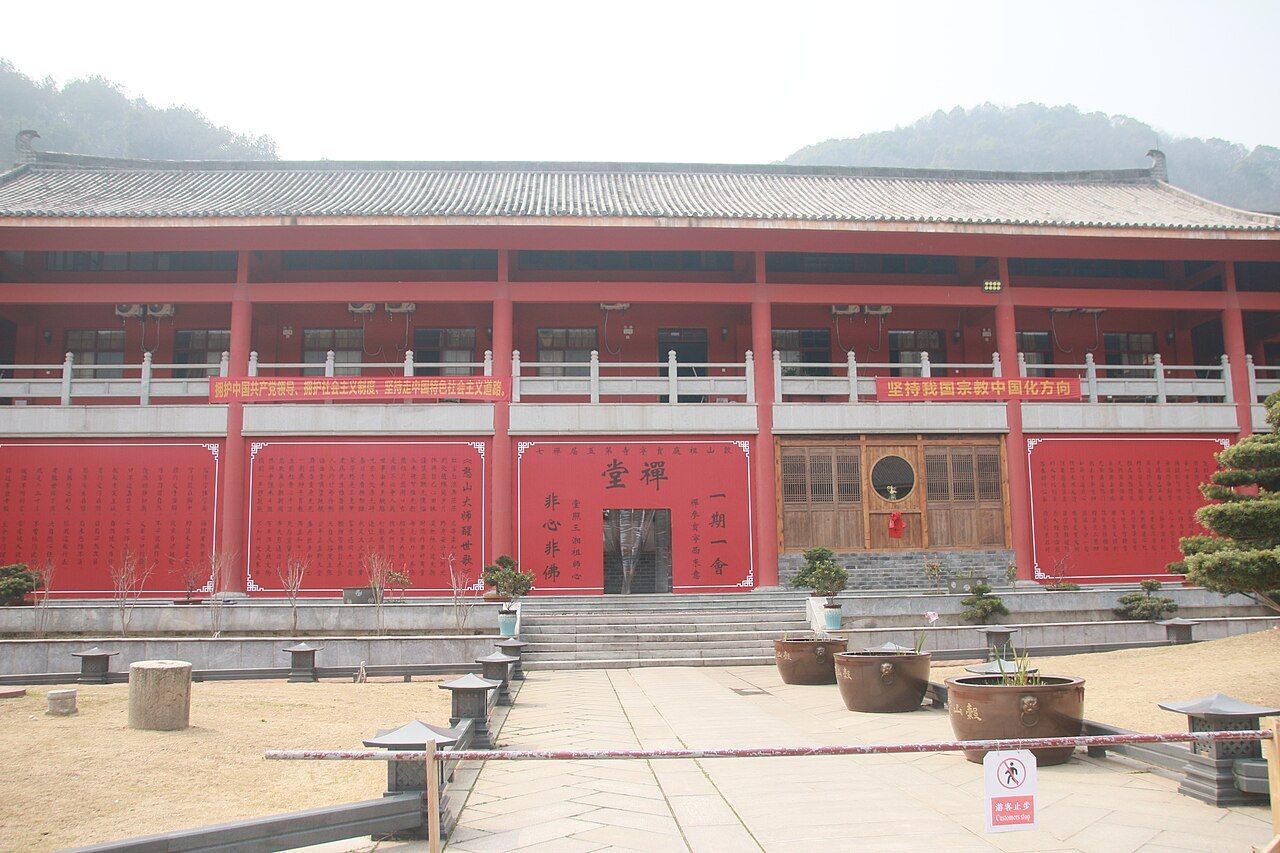
Close by in spirit: A night in a temple on Mount Kōya
The numbers: about 4 a.m. to start; about ten hours of meditation a day; often ten days in all. The long day is the point, and my least favourite part is how plainly it proves it.